
Results for "Nature"

Science Service, Up Close: Watson Comes Home
- Date: October 6, 2015
- Creator: Marcel Chotkowski LaFollette
- Description: After successfully completing his 1925 European business trip, 29-year-old Watson Davis headed home on the S.S. Republic, boarding at Cherbourg, France, on October 2. The science journalist had covered the annual meeting of the British Association for the Advancement of Science and discussed with Sir Richard Gregory (Editor of the journal Nature) the plausibility of

Frank Thone and a "Square Deal" on Earth Day
- Date: April 22, 2013
- Creator: Marcel Chotkowski LaFollette
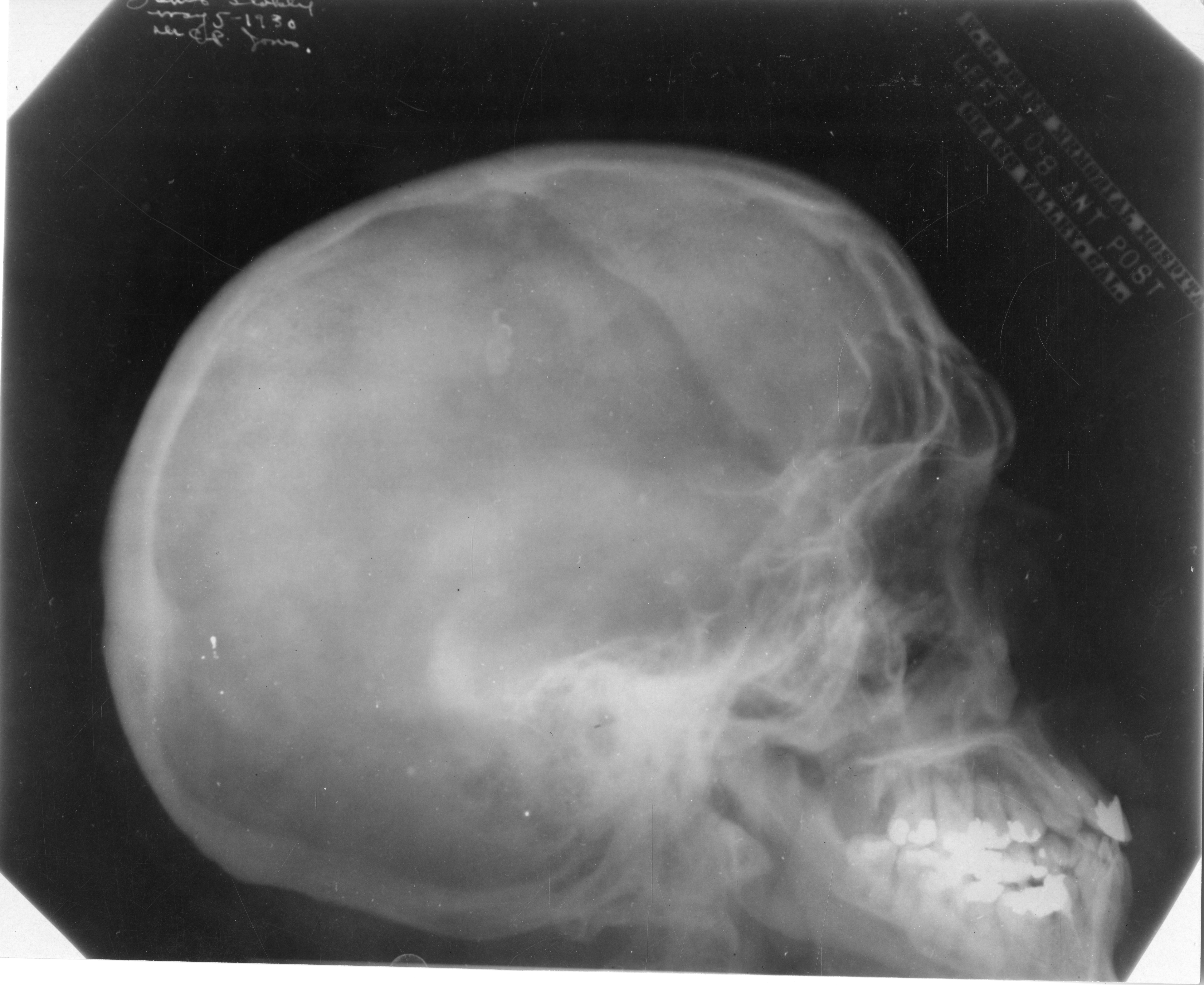
- Description: A photo montage of a science journalist and a fly illustrates the man's sense of humor and attitudes toward nature.
Science Service, Up Close: Covering Eclipses, Near and Far
- Date: August 15, 2017
- Creator: Marcel Chotkowski LaFollette
- Description: Spectacular natural events, like eclipses, have long been the bread-and-butter of science journalism. Science Service, too, succumbed to the lure of combining colorful, firsthand descriptions with technical explanations.
Science Service, Up Close: Two Haunting Portraits of Henry Gwyn Jeffreys Moseley
- Date: November 7, 2019
- Creator: Marcel Chotkowski LaFollette
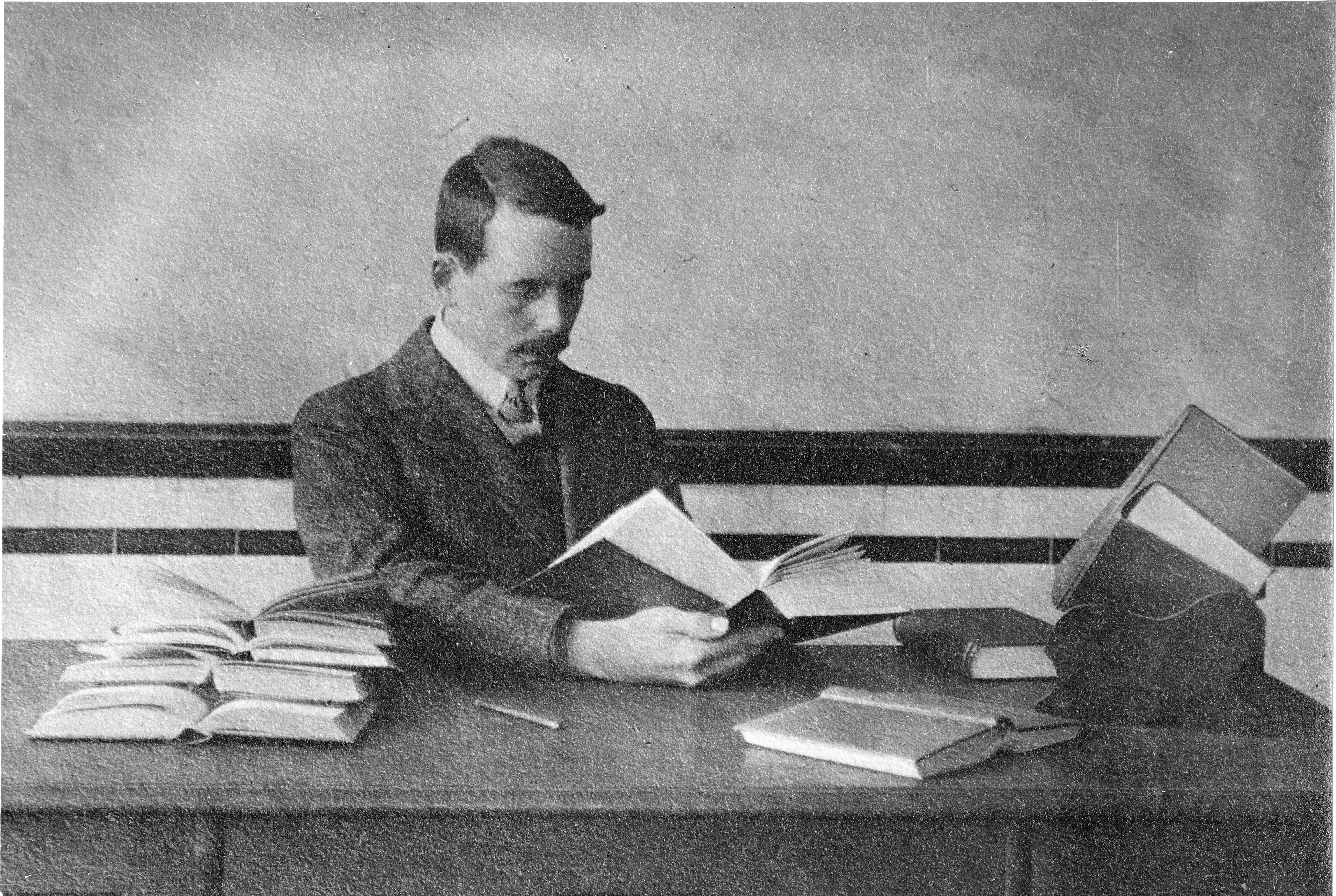
- Description: A proud mother responded to news service’s request for a photograph of her physicist-son killed during World War I.
- Blog Post
Science Service, Up Close: Before DNA Made Them Famous - Crick, Wilkins, and Watson
- Date: February 27, 2018
- Creator: Marcel Chotkowski LaFollette
- Description: [edan-image:id=siris_arc_391843,size=300,center]By the 1960s, Science Service had been acquiring photographs of scientists, obscure as well as famous, for over four decades. Portraits of Edison or Einstein were always in demand, but experience had also shown that bright, accomplished young people might someday be awarded a major prize or make a discovery deemed
Science Service, Up Close: Laughing All the Way
- Date: April 1, 2015
- Creator: Marcel Chotkowski LaFollette
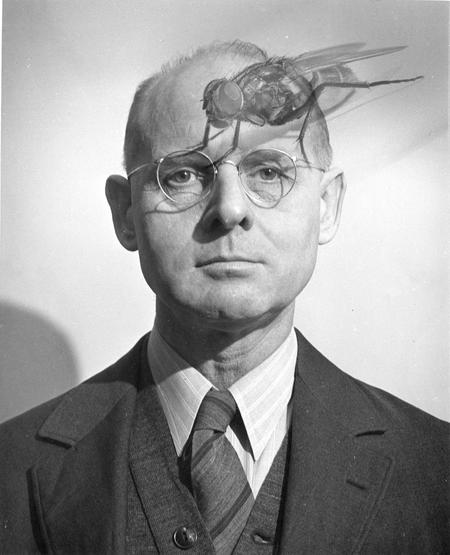
- Description: Humor and its manifestation at Science Service.
Science Service, Up Close: The Microvivarium
- Date: May 12, 2015
- Creator: Marcel Chotkowski LaFollette
- Description: Today’s science museums build on the efforts of biologist George Roemmert (1892-1952), whose “Microvivarium” projected images of amoebas and other microscopic creatures.
- Blog Post
Fame ... By Any Other Name
- Date: March 20, 2012
- Creator: Marcel Chotkowski LaFollette
- Description: How social media has changed the ways that scientists, particularly women, can achieve fame in their respective fields.
- Blog Post
Rediscovering Elizabeth’s Smile
- Date: November 18, 2010
- Creator: Marcel Chotkowski LaFollette
- Description: Access the official records of the Smithsonian Institution and learn about its history, key events, people, and research.
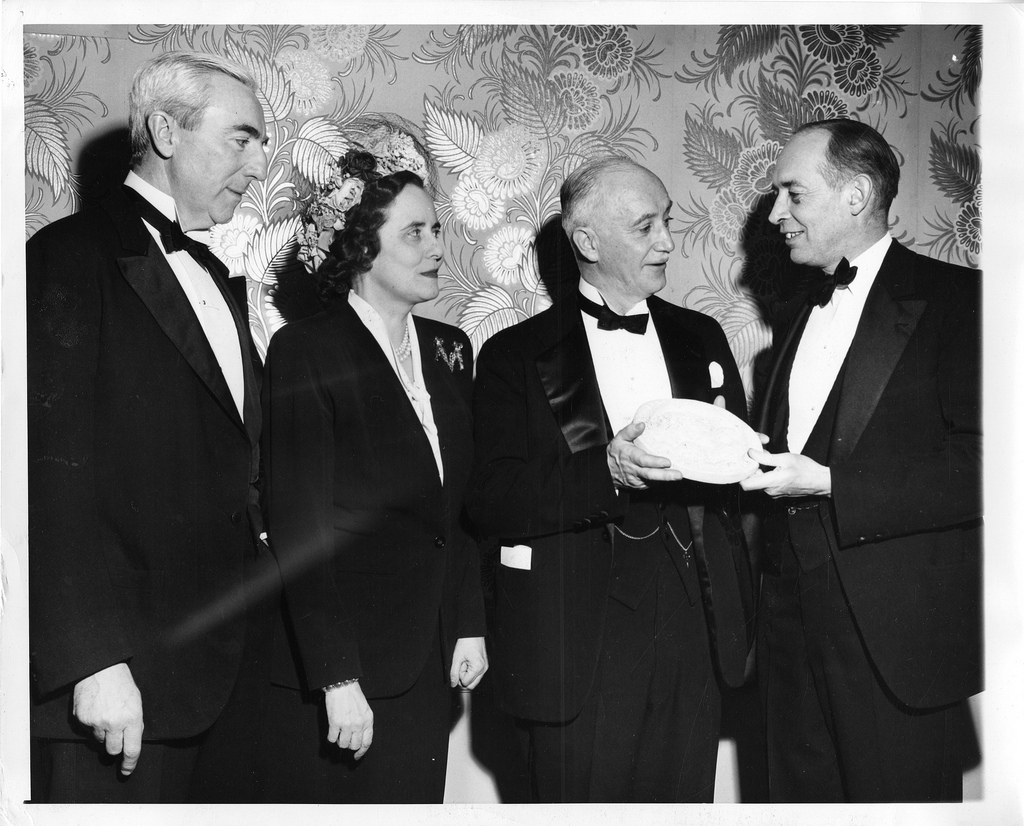
There Are Prizes . . . and There Are Winners
- Date: March 6, 2012
- Creator: Marcel Chotkowski LaFollette
- Description: Nobel prizes are not the only rewards for work improving public health and making the world a better place.
- Blog Post
Science Service, Up Close: Telephone Books, Wax Turkeys, and Talking Chickens
- Date: March 8, 2016
- Creator: Marcel Chotkowski LaFollette
- Description: In the U.S. Department of Agriculture (USDA) Office of Exhibits, Margaret Jane Russell Roller (1888-1973) had begun to specialize in fabricating lifelike wax models of food and animals.

Science Service, Up Close: Hallie Jenkins, On the Road, On Her Own Terms
- Date: March 16, 2017
- Creator: Marcel Chotkowski LaFollette
- Description: In January 1926, Science Service took a chance on smart, plucky Hallie Jenkins, hiring the 27-year-old as their sales representative. During the following months, Jenkins traveled on her own throughout the Midwest, selling science to newspapers large and small. By the end of the year, she become the organization’s sales and advertising manager.