
Results for "National Museum of Natural History (U.S.). Field Book Project"
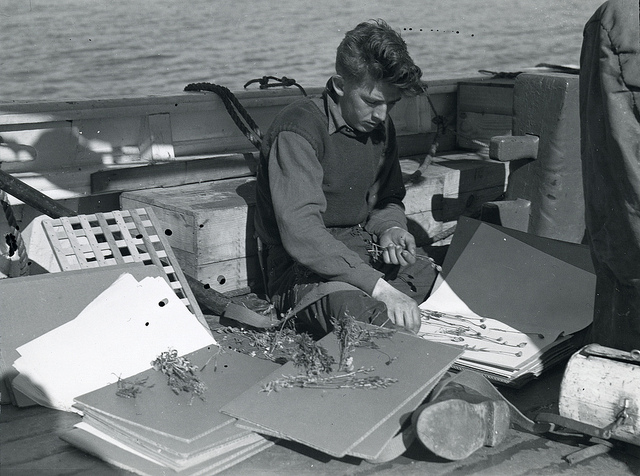
Another Milestone Met: Reminiscing about the Field Book Project and Looking Forward
- Date: February 21, 2019
- Creator: Ricc Ferrante
- Description: The intense efforts that started the Field Book Project and have kept it in high gear are slowing down to a sustainable pace. After almost ten years, grant funding for the Field Book Project has drawn to a close, but there is still plenty more to look forward to that will benefit researchers for years to come.
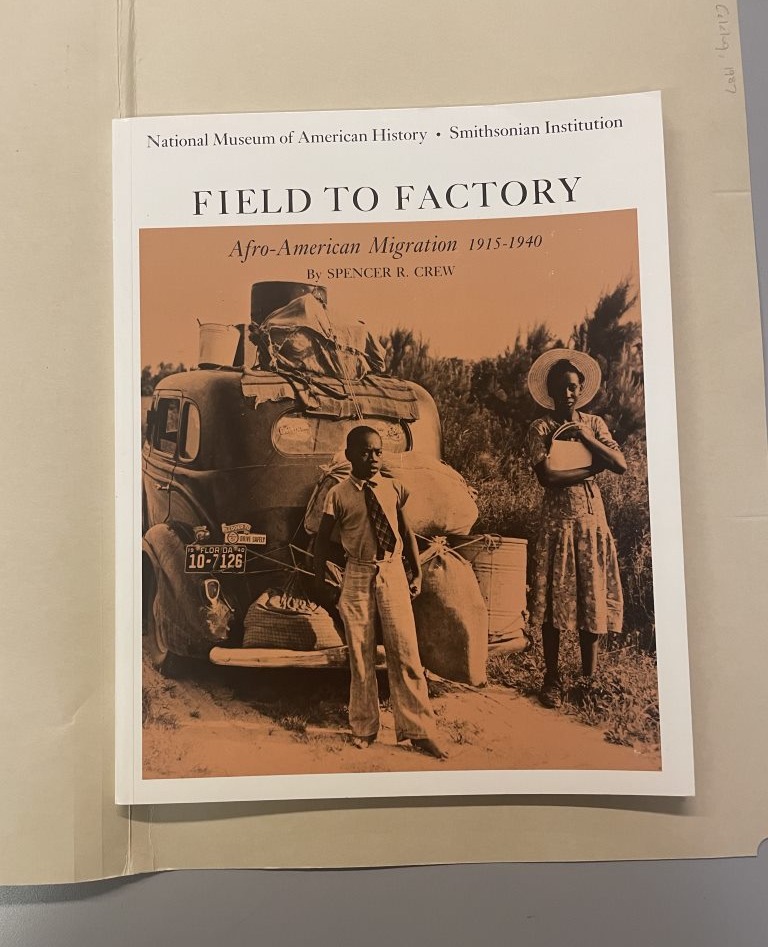
The Women Behind the "Field to Factory" Exhibition
- Date: October 6, 2022
- Creator: Ricc Ferrante
- Description: Current headlines about war and the impact of forced migration on women are stark reminders of historic migrations and how women adapted and took on new roles.In 1987, Field to Factory: Afro-American Migration 1915-1940 premiered at the National Museum of American History.
- Blog Post
A Quirk, a Chase and the Power of a Crowd
- Date: March 13, 2014
- Creator: Ricc Ferrante
- Description: People everywhere are helping the Smithsonian Institution Archives make more of its collections deeply accessible through helping transcribe field books, journals, and diaries in our collections.

Understanding growth in insects: Dyar’s Law revisited
- Date: March 21, 2017
- Creator: Ricc Ferrante
- Description: How Smithsonian entomologist Harrison Dyar's field notes, now available on the Smithsonian Transcription Center, are improving present-day research done by Smithsonian Resident Research Associate Dr. Jorge Santiago-Blay.

On Expedition with Waldo Schmitt
- Date: July 31, 2018
- Creator: Ricc Ferrante
- Description: They say a picture is worth a thousand words. If that’s true, some of Dr. Waldo LaSalle Schmitts field books are worth tens of thousands of words.
Thanks for the specimens, J. Bruce Bredin!
- Date: October 11, 2018
- Creator: Ricc Ferrante
- Description: This philanthropist’s passion for research and adventure inspired him to join a series of collecting expeditions with the Smithsonian in the 1950s.
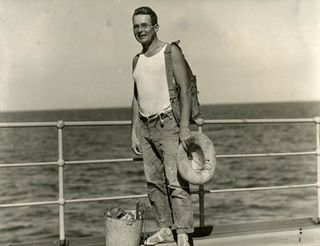
Can We Keep to a Schedule, Please?
- Date: October 12, 2017
- Creator: Ricc Ferrante
- Description: The Smithsonian’s scientists and naturalists were, and still are, constantly on the move. When they weren’t in the field, they were in the museum studying collected specimens, writing papers, and getting ready for the next series of trips. Dr. Waldo LaSalle Schmitt (1887-1977) was no exception.Logistics is a special skill, an essential one when traveling on scientific

Contagious Contributions: The Rewards of Asking for Help
- Date: February 26, 2015
- Creator: Ricc Ferrante
- Description: Update on the continuing and growing contributions of volunteers at the Smithsonian Transcription Center.

Arthur Wilson Stelfox: Another Gift from the United Kingdom
- Date: July 23, 2020
- Creator: Ricc Ferrante
- Description: With a large personal collection of specimens, Arthur Wilson Stelfox took steps to ensure his work will go on for decades to come.

Rapid Capture Digitization to bring the Smithsonian's Board of Regents Minutes Online
- Date: September 8, 2015
- Creator: Ricc Ferrante
- Description: Digitizing the Smithsonian Institution's Board of Regents minutes to make them available online.
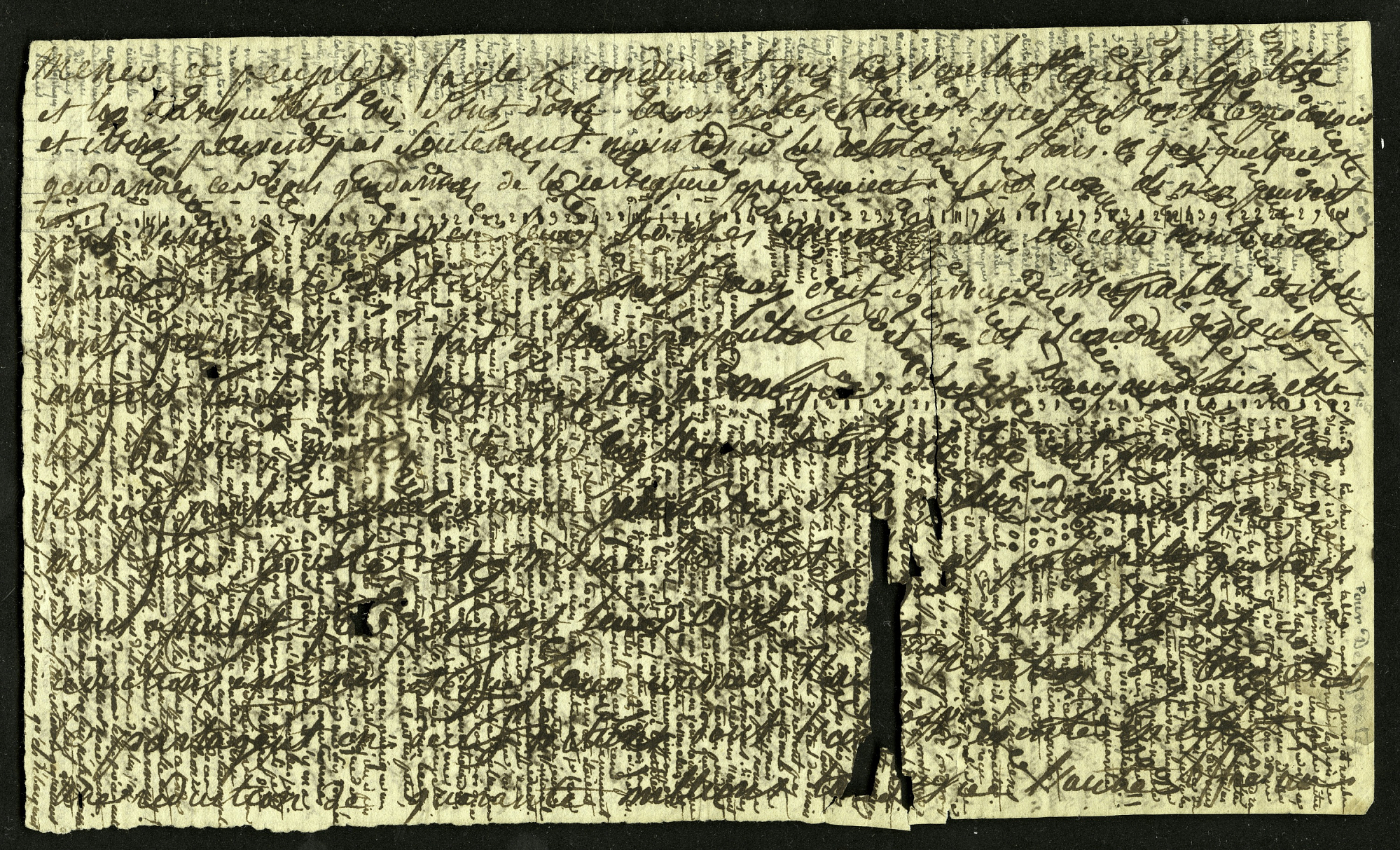
Cryptic Content in The Stacks
- Date: December 28, 2017
- Creator: Ricc Ferrante
- Description: Collections here at the Archives span over 171 years of Smithsonian history and include personal papers of the many notable people who have been part of its work in science and culture. Cryptic and coded content is not unusual here. One would expect special vocabulary in the accessions of scientific observations. For example, notations of depth, temperature, and sounding and
- Blog Post
Discoveries Don’t Happen in an Armchair
- Date: November 27, 2018
- Creator: Ricc Ferrante
- Description: The 19th century was a transformative time for the natural sciences. New discoveries didn't just happen in an armchair. Scientists adventured into unfamiliar territory by land and sea on expeditions, and their new findings fed new theories. Groups like the Columbian Institute for the Promotion of Arts and Sciences and the National Academy of Sciences formalized America's place