
Results for "Musicals"

Science Service, Up Close: Patent Parades, Silk Purses, and Snake Bite Remedies
- Date: March 30, 2017
- Creator: Marcel Chotkowski LaFollette
- Description: Everyone loves a parade – especially one followed by a banquet. When scientists and politicians met in Washington, D.C., on November 23, 1936, to celebrate the centennial of the U.S. patent system, they listened first to a conventional program of speeches. Then, in the afternoon, Science Service director Watson Davis arranged something different: a “Research Parade” featuring
- Blog Post
Science Service, Up Close: Before DNA Made Them Famous - Crick, Wilkins, and Watson
- Date: February 27, 2018
- Creator: Marcel Chotkowski LaFollette
- Description: [edan-image:id=siris_arc_391843,size=300,center]By the 1960s, Science Service had been acquiring photographs of scientists, obscure as well as famous, for over four decades. Portraits of Edison or Einstein were always in demand, but experience had also shown that bright, accomplished young people might someday be awarded a major prize or make a discovery deemed
- Blog Post
Rediscovering Elizabeth’s Smile
- Date: November 18, 2010
- Creator: Marcel Chotkowski LaFollette
- Description: Access the official records of the Smithsonian Institution and learn about its history, key events, people, and research.
- Blog Post
Television and the Smithsonian: Worldly Success
- Date: December 18, 2012
- Creator: Marcel Chotkowski LaFollette
- Description: For six seasons, beginning in 1984, the television series Smithsonian World opened new windows on the research and scientists at the Smithsonian Institution.
- Blog Post
Scientists Arrive in Dayton...and Find a Mansion
- Date: July 11, 2011
- Creator: Marcel Chotkowski LaFollette
- Description: Access the official records of the Smithsonian Institution and learn about its history, key events, people, and research.
- Blog Post
Science Service, Up Close: Charles Bittinger and the Worlds of Science and Art
- Date: December 6, 2016
- Creator: Marcel Chotkowski LaFollette
- Description: The work of painter Charles Bittinger, bridging the worlds of science and art.

Science Service, Up Close: The Sleeplessness Study, Part 1 - Insomniacs
- Date: August 18, 2015
- Creator: Marcel Chotkowski LaFollette
- Description: In 1925, seven George Washington University students volunteered to stay awake for sixty hours, and drove, danced, sang, and swam in an effort to remain alert.
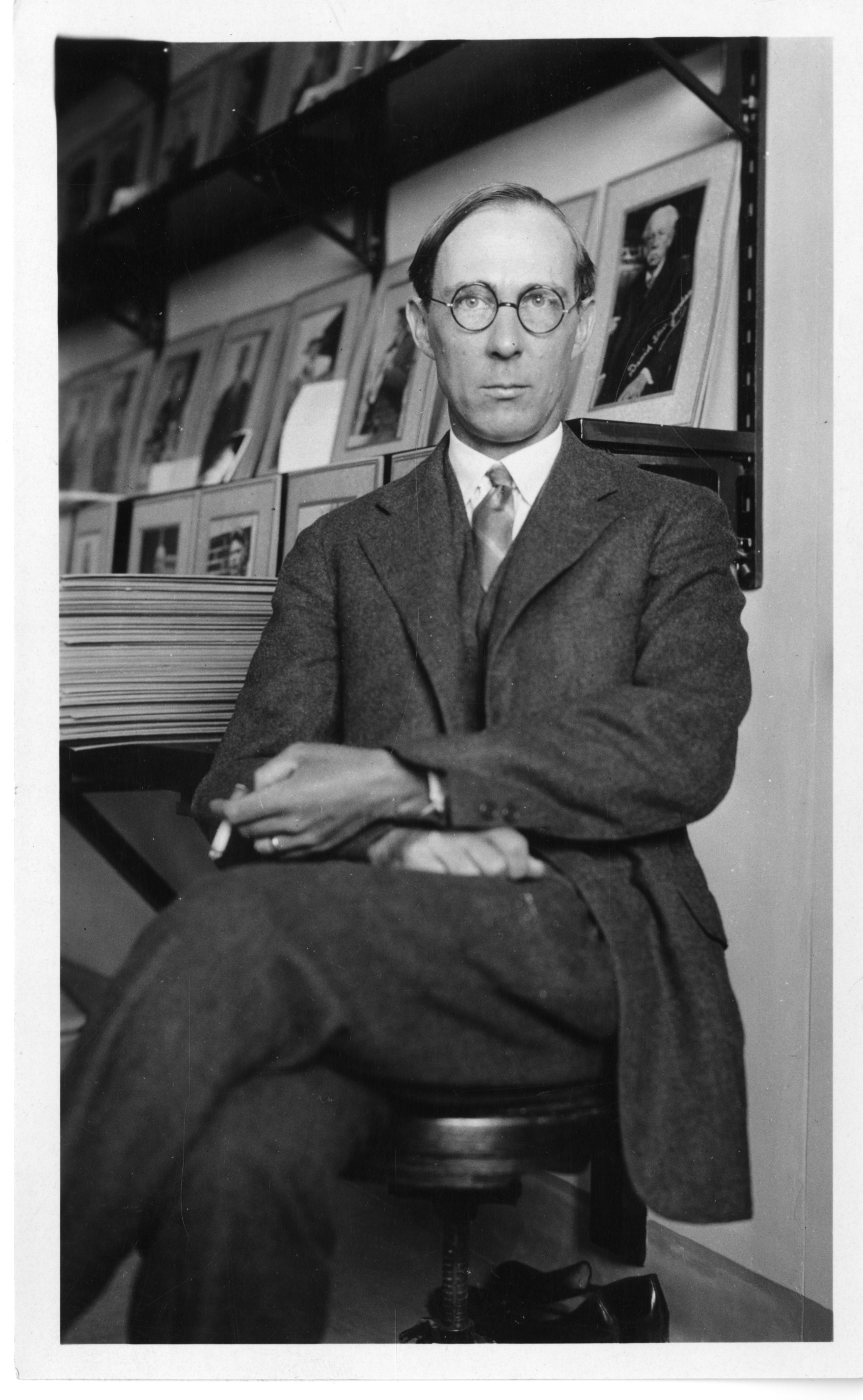
The Scientific Portraits of Julian Papin Scott, Part 1 of 2: The Photographer Behind the Lens
- Date: September 3, 2019
- Creator: Marcel Chotkowski LaFollette
- Description: In a world drowning in images, where we swipe past photos of friends, relatives, and selves in mere seconds, a set of remarkable portraits taken in the 1910s and 1920s by Julian Papin Scott (1877-1961) deserve more considered attention. Sometimes, his subjects appear immersed in work, surrounded by microscopes, beakers, or stacks of books, as if unaware of the photographer.