
Results for "Inventors"

Do It the Hard Way, Like Rube Goldberg
- Date: November 24, 2020
- Description: Rube Goldberg, the subject of a 1970 exhibition at the National Museum of American History, produced thousands of drawings and comic strips, as well as, films, photographs, and over-the-top machines. A true celebrity in his time, Goldberg set standards in political cartooning and contributed to the development of thousands of extravagant and entertaining contraptions that have
- Blog Post
Link Love: 6/13/2014
- Date: June 13, 2014
- Creator: Mitch Toda
- Description: Link Love: a weekly blog feature with links to interesting videos and stories regarding archival issues, the Smithsonian, and history.

Science Service, Up Close: The Periodic Chart
- Date: January 3, 2017
- Creator: Marcel Chotkowski LaFollette
- Description: Henry David Hubbard (1870-1943), a physicist at the U.S. National Bureau of Standards, designed the first edition of the "Periodic Chart of the Atoms" in 1924. The chart is still in use today, continually updated to reflect new elements.

The Smithsonian Secretaries: That Tall Man from New York, Part I
- Date: April 26, 2016
- Creator: Pamela M. Henson
- Description: A look at the characteristics of the thirteen individuals who have led the Smithsonian.
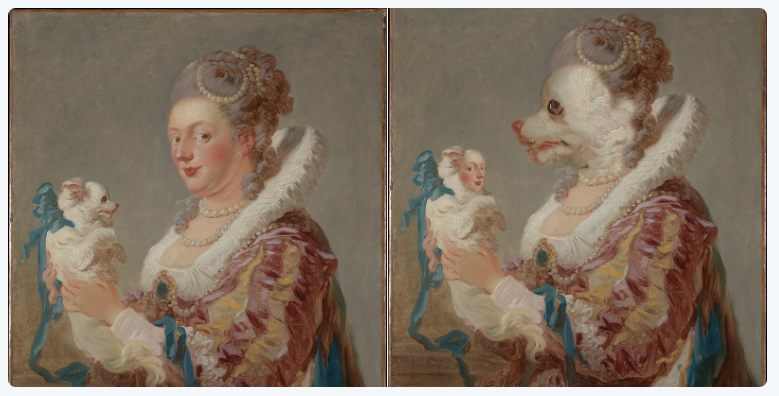
Link Love: 2/17/2017
- Date: February 17, 2017
- Creator: Hillary Brady
- Description: Link Love: a weekly blog feature with links to interesting videos and stories regarding archival issues, the Smithsonian, and Washington D.C and American history.
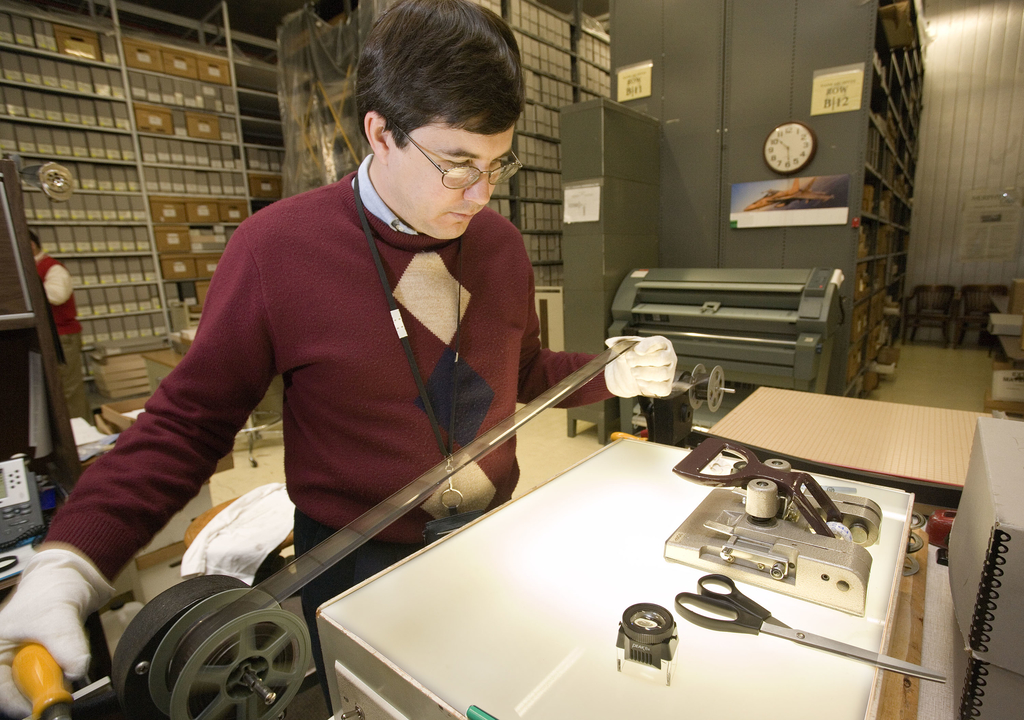
Microfilm Reels in the 21st Century
- Date: June 20, 2019
- Creator: Tad Bennicoff
- Description: A brief history on the invention and implementation of microfilm and our acquisition of a new, modern microfilm reader/scanner that enables us to provide digital access to and enhance the quality of SIA’s microfilm collections.
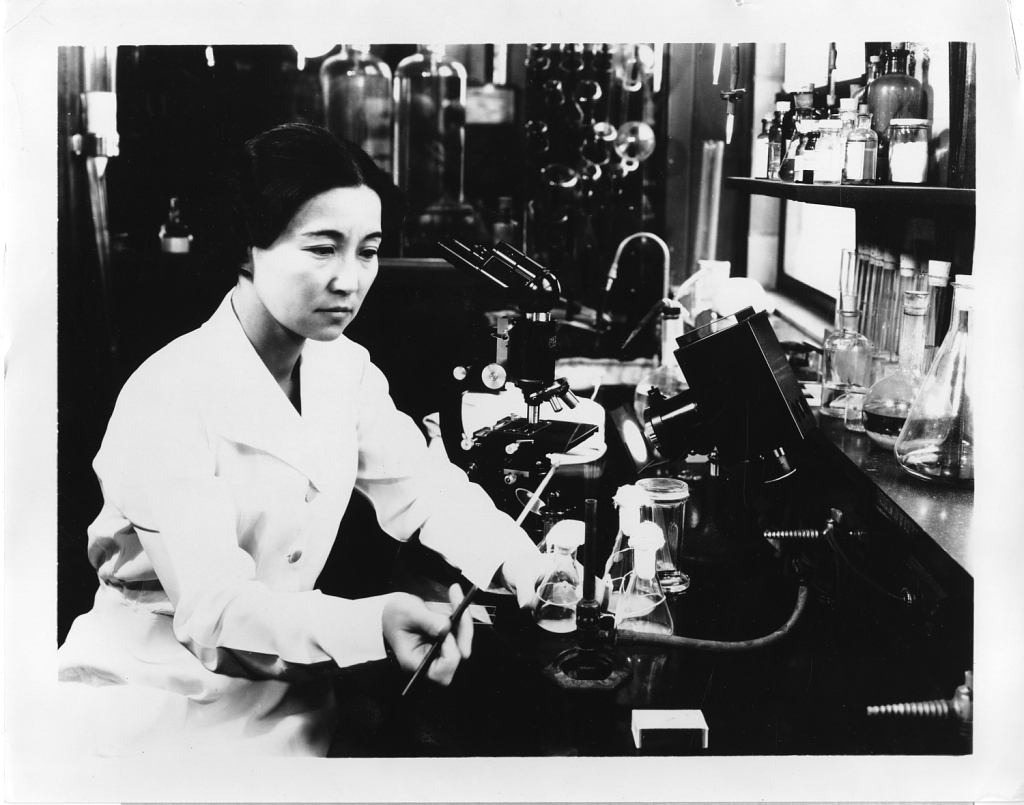
Hot Topics in Archival Research
- Date: July 7, 2015
- Creator: Mary Markey
- Description: Quarterly review of topics researched at the Smithsonian Institution Archives.
- Blog Post
Please Mr. Postman
- Date: February 16, 2010
- Creator: Marvin Heiferman
- Description: [caption id="" align="aligncenter" width="448" caption="Temperance Parade, Church of the Nazarene, Medora, Illinois, photographer unknown, real-photo postcard, 1908, Courtesy of Luc Sante, 2009."][/caption] One of the thrills of seeing—when you stop to pay attention to it—is how complex and quickly the process of looking and making sense of what we see happens. According to
- Blog Post
A First Sight
- Date: December 24, 2009
- Description: [caption id="attachment_3939" align="aligncenter" width="300" caption="Prehistoric paintings, Lascaux caves, France. Photo courtesy of Prof saxx, Wikimedia Commons."][/caption] Roger Shattuck, teacher, writer, and cultural critic (The Banquet Years, his study of turn of the 20th century French avant-garde stands as one of the best cultural histories ever produced), once wrote
Color Our Collections 2021
- Date: February 4, 2021
- Creator: Emily Niekrasz
- Description: Stuck inside and looking for a fun activity? Color the Smithsonian Libraries and Archives collections!
- Blog Post
Too Many to Count
- Date: September 24, 2009
- Description: [caption id="" align="aligncenter" width="320" caption="Untitled, by Thomas Smillie, c. 1890, Smithsonian Institution Archives."][/caption] One of the things people often want to know about photography at the Smithsonian is, “How many photographs do you have?” with the quick follow-up, “Have you counted all of them?” No one knows for certain, but statistical sampling suggests

To Post-it or Not to Post-it
- Date: September 5, 2013
- Creator: Kirsten Tyree
- Description: Although fun and easy to use, post-it notes are often harmful to archival records, as seen with the conservation of Cordelia Rose’s recently acquired scroll.