
Results for "Institute of the Americas"
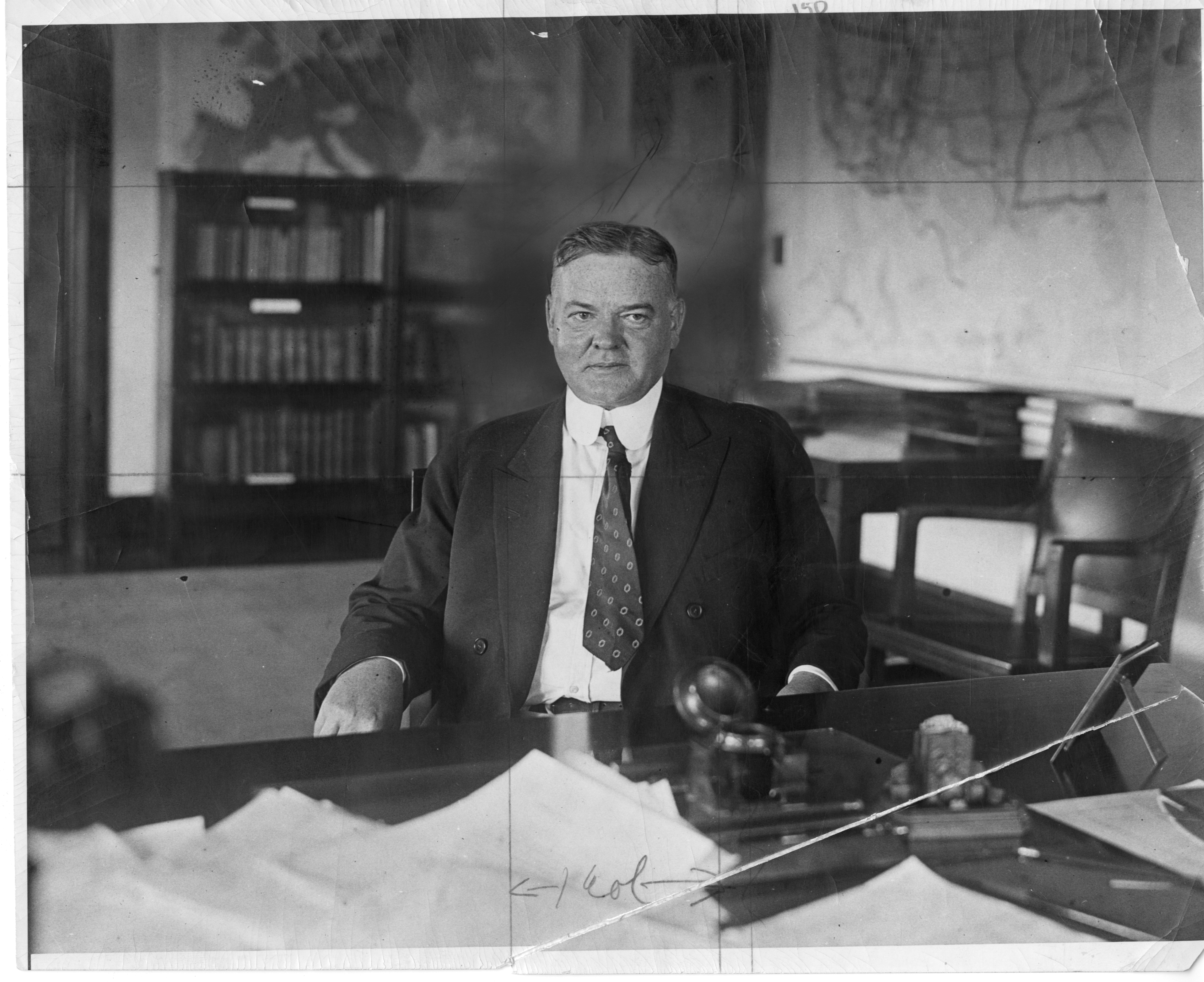
Science Service, Up Close: Herbert Clark Hoover and Radio, August 11, 1928
- Date: August 11, 2016
- Creator: Marcel Chotkowski LaFollette
- Description: Photos in the Science Service collection documenting Herbert Hoover's historic acceptance of the Presidential nomination with live radio coverage.
- Blog Post
Science Service, Up Close: Emma Reh Paints Fruits and Flowers with Words
- Date: July 10, 2018
- Creator: Marcel Chotkowski LaFollette
- Description: [edan-image:id=siris_arc_306419,size=200,left]During World War II, Science Service correspondent Emma Reh (1896-1982) spent several years living and working in Paraguay. Her letters home, like the ones written when she worked in Mexico and the American West, typically combined personal and professional news with her colorful descriptions of the countryside and people.Emma had

Science Service, Up Close: Women in Geology and Paleontology
- Date: March 14, 2019
- Creator: Marcel Chotkowski LaFollette
- Description: To celebrate Women’s History Month, here are two examples of 20th-century women who applied their education and expertise in geology and paleontology outside traditional university career paths.
- Blog Post
Science Service, Up Close: Field Work at Yellowstone
- Date: July 2, 2015
- Creator: Marcel Chotkowski LaFollette
- Description: Who is the man at right, standing in Yellowstone National Park with Dutch geologist Henrik Albertus Brouwer?

Science Service, Up Close: Watson Comes Home
- Date: October 6, 2015
- Creator: Marcel Chotkowski LaFollette
- Description: After successfully completing his 1925 European business trip, 29-year-old Watson Davis headed home on the S.S. Republic, boarding at Cherbourg, France, on October 2. The science journalist had covered the annual meeting of the British Association for the Advancement of Science and discussed with Sir Richard Gregory (Editor of the journal Nature) the plausibility of
- Blog Post
Publicity, Politics, and Physics
- Date: March 10, 2010
- Creator: Marcel Chotkowski LaFollette
- Description: Long ago and far away, before gray hairs and creaky knees, before history became my passion, I was an undergraduate physics major. Physics seemed fascinating and beautiful, if difficult. Later, after career paths led into history and science policy, I learned that physics, however elegant, did not reside in a cultural vacuum. Its people and discoveries coexisted with
- Blog Post
Science Service, Up Close: Up in the Air for a Solar Eclipse
- Date: January 24, 2017
- Creator: Marcel Chotkowski LaFollette
- Description: On January 24, 1925, for the first time in over a century, a total solar eclipse would be visible across the northern part of the United States. How scientists used a dirigible to observe the phenomenon.

Science Service, Up Close: “Charlie Is My Darling” — Lindbergh in Washington, June 1927
- Date: February 2, 2017
- Creator: Marcel Chotkowski LaFollette
- Description: On June 11, 1927, 25-year-old Charles Lindbergh, and his plane Spirit of St. Louis, arrived back in the United States, and Washington, D.C. threw a party.

Science Service, Up Close: Honors and Honorees
- Date: August 4, 2016
- Creator: Marcel Chotkowski LaFollette
- Description: A selection from thirty years of engineering and scientific awards from the Science Service biographical morgue.
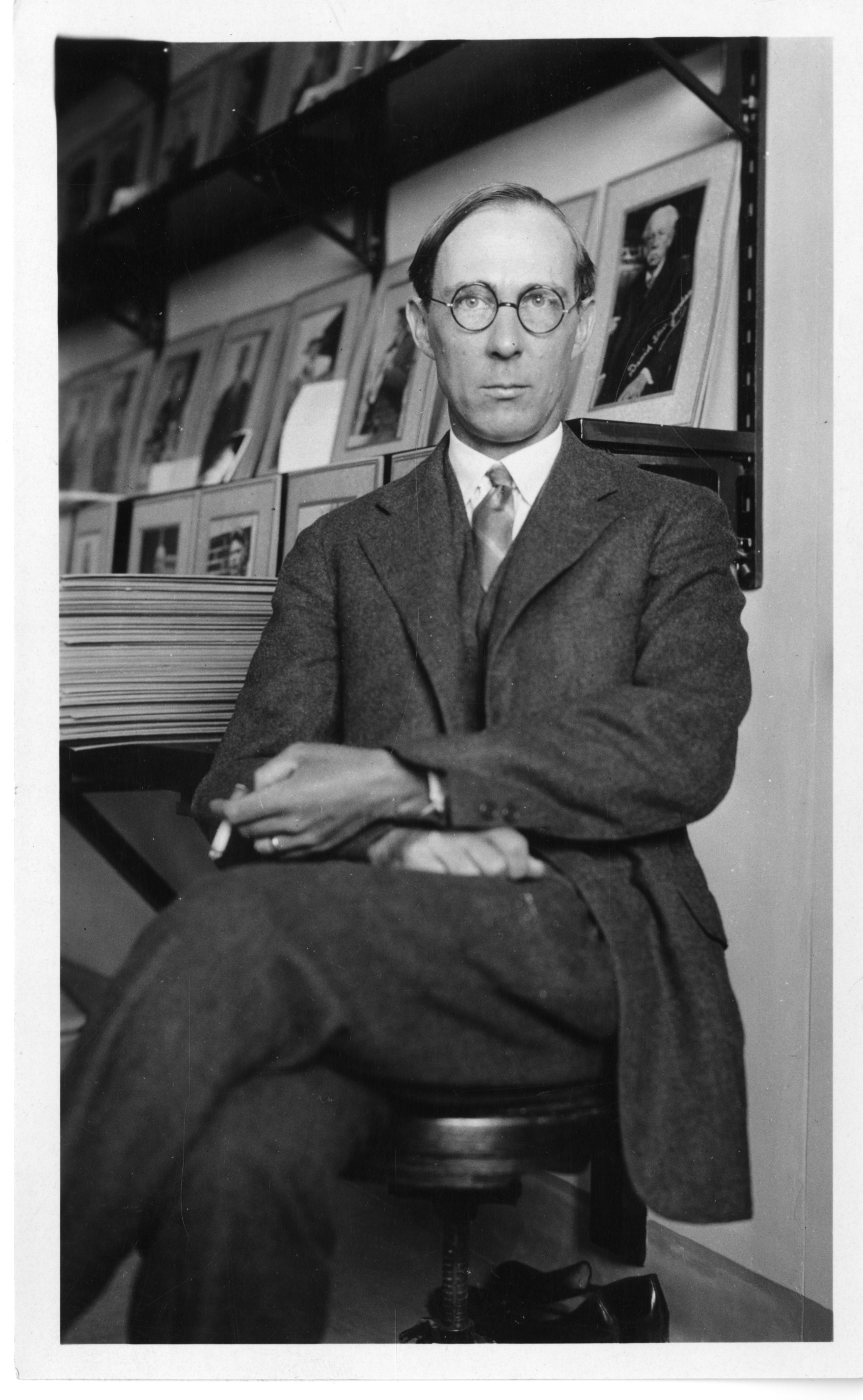
The Scientific Portraits of Julian Papin Scott, Part 1 of 2: The Photographer Behind the Lens
- Date: September 3, 2019
- Creator: Marcel Chotkowski LaFollette
- Description: In a world drowning in images, where we swipe past photos of friends, relatives, and selves in mere seconds, a set of remarkable portraits taken in the 1910s and 1920s by Julian Papin Scott (1877-1961) deserve more considered attention. Sometimes, his subjects appear immersed in work, surrounded by microscopes, beakers, or stacks of books, as if unaware of the photographer.
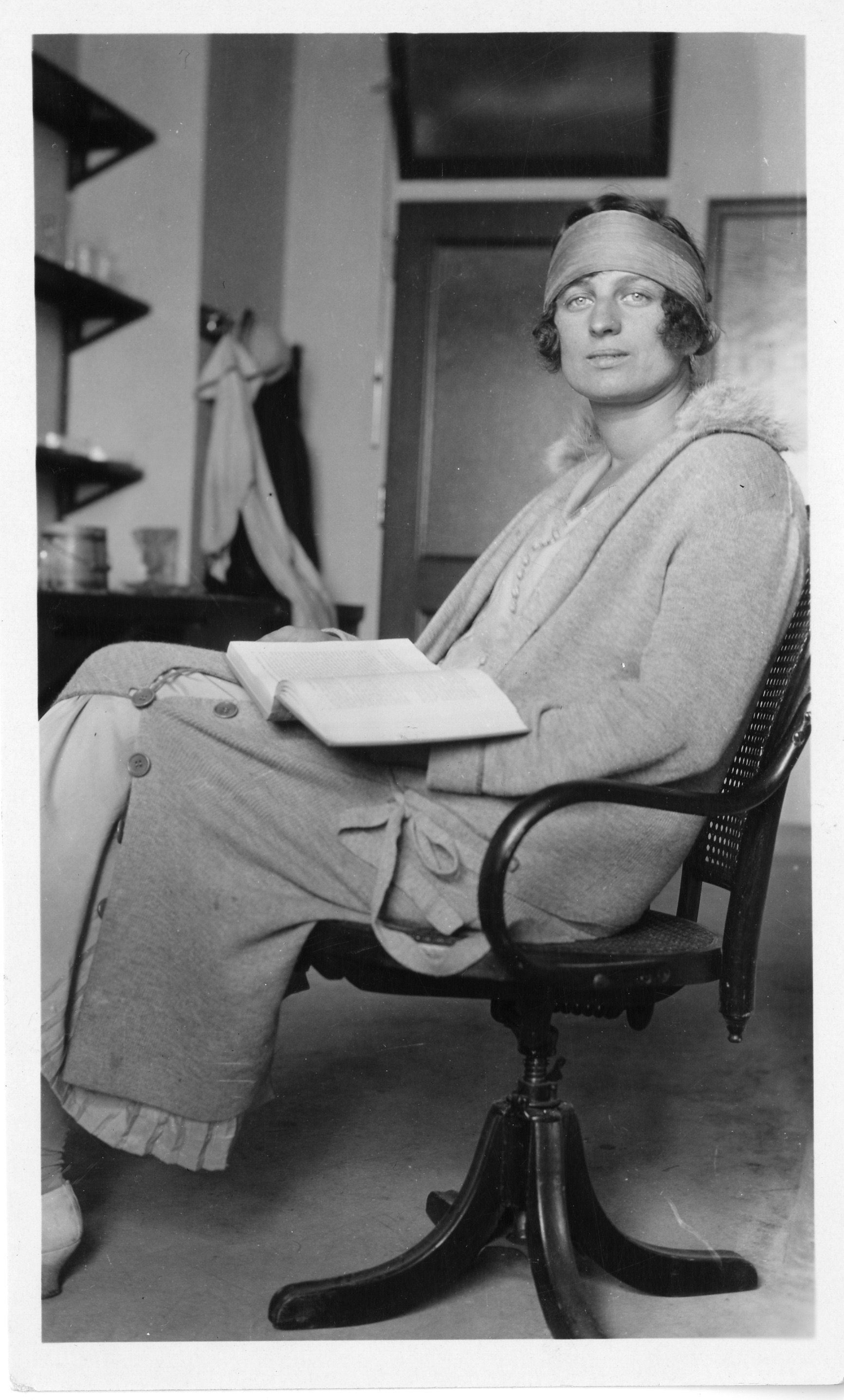
The Scientific Portraits of Julian Papin Scott, Part 2 of 2: Who and How, and Why It Matters
- Date: September 10, 2019
- Creator: Marcel Chotkowski LaFollette
- Description: The historical legacy of amatuer photographer Julian Papin Scott (1877-1961) is far greater than was acknowledged at the time, because of both who he photographed and how he set up the images.
- Blog Post
Science Service, Up Close: Father’s Day “Gene-ius”
- Date: June 13, 2019
- Creator: Marcel Chotkowski LaFollette
- Description: To celebrate Father’s Day 2019, here are three photographs of famous fathers and sons in biology and physics.