
Results for "Institute of the Americas"

"Open Wide!": Photographs of Dentists and Dental Researchers from the Science Service Collections
- Date: October 10, 2019
- Creator: Marcel Chotkowski LaFollette
- Description: To celebrate National Dental Hygiene Month, the Smithsonian Institution Archives presents photographs of dentists and dental researchers.

The Life Behind the Photograph
- Date: March 28, 2013
- Creator: Marcel Chotkowski LaFollette
- Description: Thanks to the Flickr community, the Smithsonian Archives knows the context for a photograph of Norwegian biologist Kristin Bonnevie.

Science Service, Up Close: George Sarton, Watson Davis, and “Panache”
- Date: June 23, 2016
- Creator: Marcel Chotkowski LaFollette
- Description: For historians of science, the name “Sarton” resonates like a deep-throated bell. Isis, the international journal that chemist and mathematician George Sarton (1884-1956) founded in Belgium in 1913, is now the premier publication of the History of Science Society. The field he envisioned is flourishing as well as continually responding to changes in science and its social

Science Service, Up Close: Technology and Political Conventions
- Date: July 19, 2016
- Creator: Marcel Chotkowski LaFollette
- Description: In a Presidential election year, political news coverage can sometimes seem almost too instantaneous and continuous. Thanks to smartphones with cameras and microphones, journalists and citizens can relay images and sound from almost anywhere inside campaign activities. There was a time, however, when live broadcasting from political conventions and rallies was novel.Starting
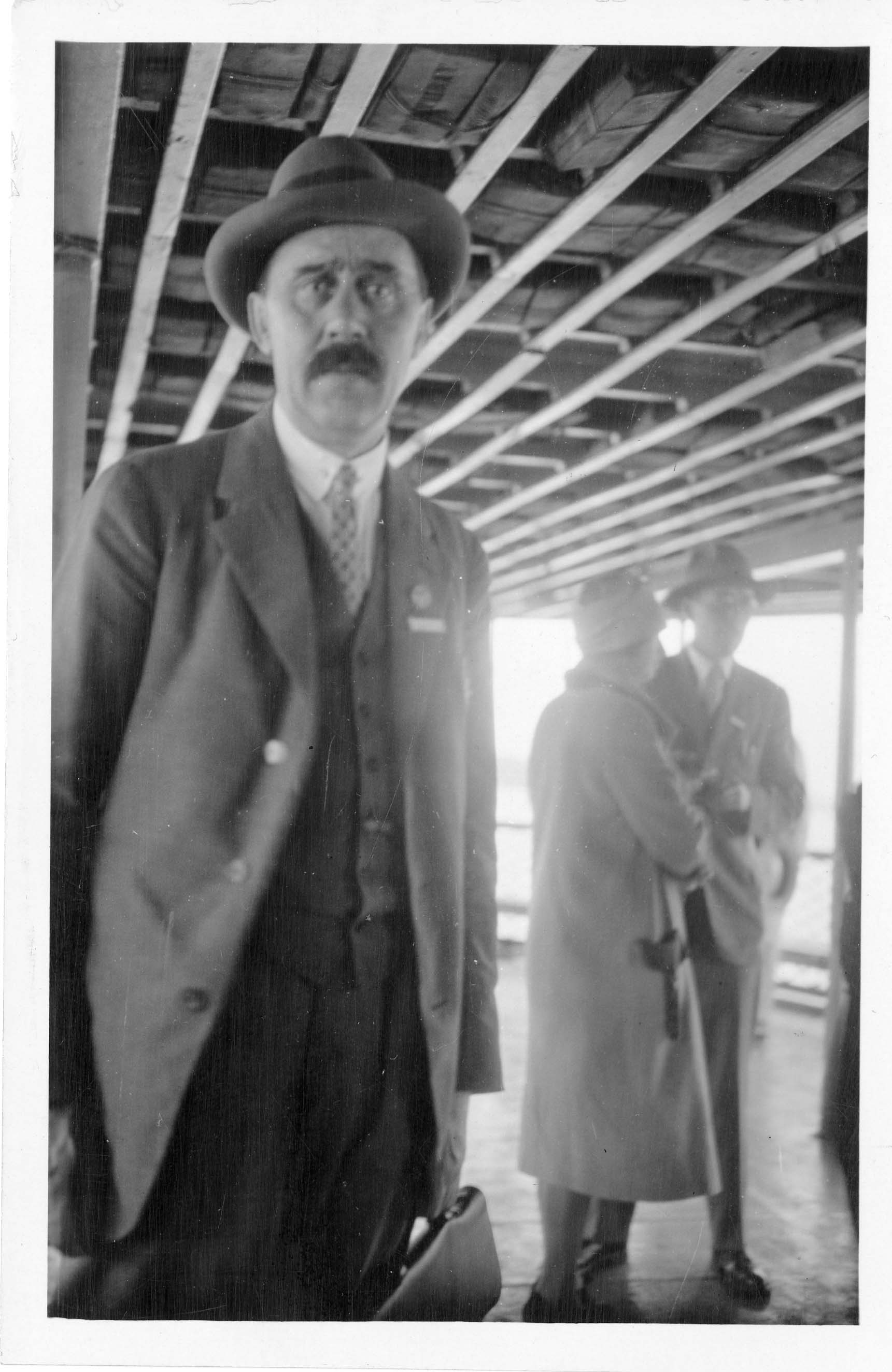
Science Service, Up Close: A Slow Boat Down the River
- Date: June 18, 2015
- Creator: Marcel Chotkowski LaFollette
- Description: Watson Davis photographed visiting scientists on a June 1927 Potomac River boat trip to Mount Vernon.
- Blog Post
Television and the Smithsonian: Worldly Success
- Date: December 18, 2012
- Creator: Marcel Chotkowski LaFollette
- Description: For six seasons, beginning in 1984, the television series Smithsonian World opened new windows on the research and scientists at the Smithsonian Institution.
- Blog Post
Par for the Course
- Date: July 18, 2011
- Creator: Marcel Chotkowski LaFollette
- Description: This post is the third in a series this month that honor the anniversary of the famous Scopes Trial held in Tennessee from July 10–21, 1925. We're highlighting a set of rare and newly digitized photographs from the Smithsonian Institution Archives collections, of witnesses at the trial, which have been added to the Smithsonian Flickr Commons. On Wednesday afternoon, July 15,
- Blog Post
The Inhabitants of "Defense Mansion"
- Date: July 14, 2011
- Creator: Marcel Chotkowski LaFollette
- Description: This post is the second in a series this month that honors the anniversary of the famous Scopes Trial, held in Tennessee from July 10–21, 1925, and highlights a set of rare and newly digitized photographs, from the Smithsonian Institution Archives, of witnesses at the trial collections, which have been added to the Smithsonian Flickr Commons. In tone, composition, and setting,
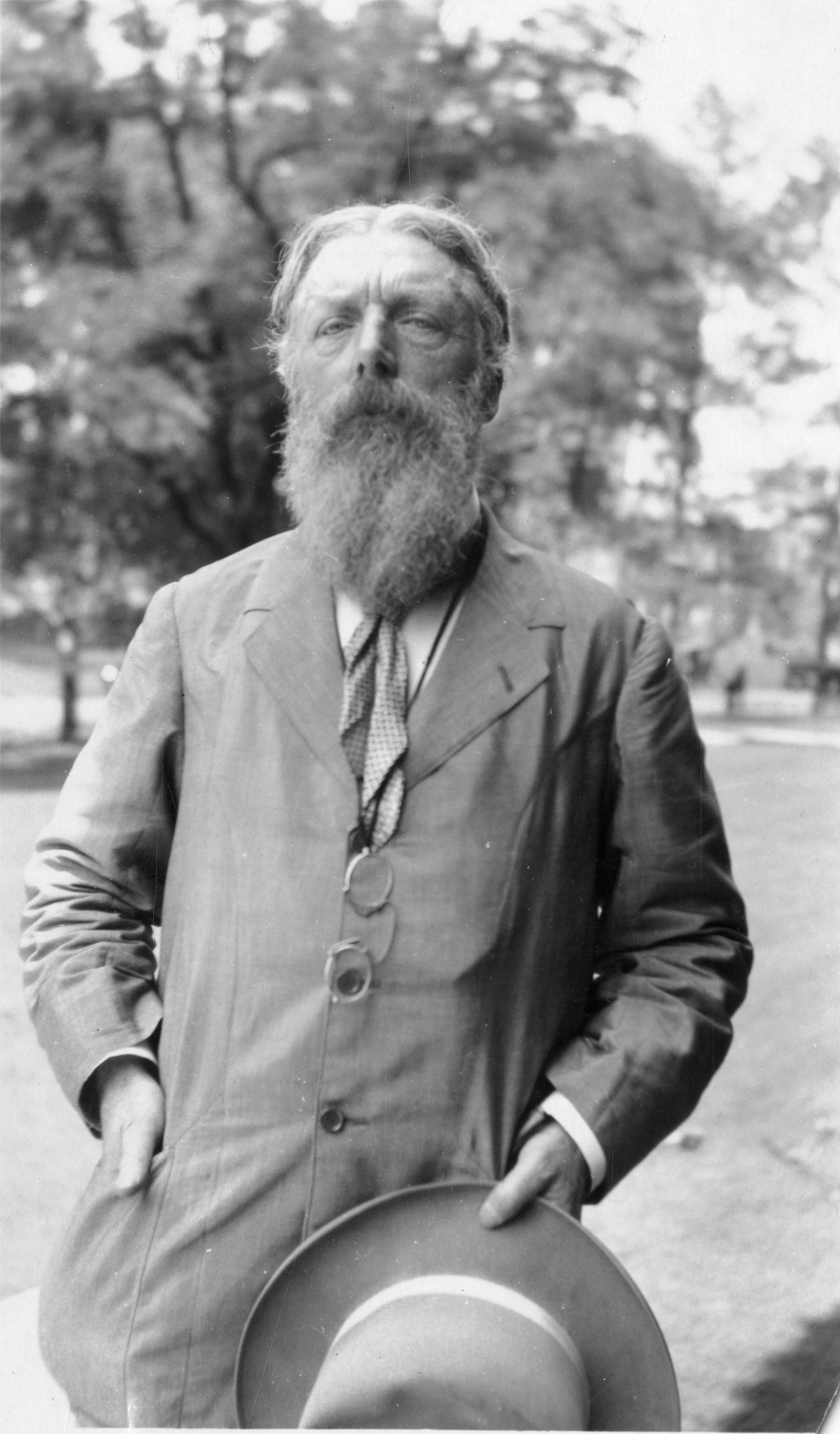
Science Service, Up Close: A Meeting Of Minds
- Date: April 7, 2016
- Creator: Marcel Chotkowski LaFollette
- Description: A rare meeting of the scientific minds at the 92nd Annual British Association Conference in 1924, captured by Science Service journalist Watson Davis.

Science Service, Up Close: Radio Extends the Audience, Inauguration Day, 1925
- Date: January 19, 2017
- Creator: Marcel Chotkowski LaFollette
- Description: President Calvin Coolidge's second inauguration in 1925 reaches an audience of millions, thanks to a new technological innovation--the radio.

Science Service, Up Close: The Sleeplessness Study, Part 2 - Adventurers
- Date: August 20, 2015
- Creator: Marcel Chotkowski LaFollette
- Description: In 1925, seven George Washington University students volunteered to stay awake for sixty hours, and drove, danced, sang, and swam in an effort to remain alert.
- Blog Post
Science Service, Up Close: "Stealth Authors" and An Appreciation of Honesty
- Date: March 24, 2015
- Creator: Marcel Chotkowski LaFollette
- Description: "Stealth Authors" and an appreciation of honesty when it came to women writers of science in the early 20th century.