
Results for "Environmental sciences"
- Blog Post
See Here: 9/22/2010
- Date: September 22, 2010
- Creator: The Bigger Picture
- Description: [caption id="" align="aligncenter" width="293" caption="Aerial view of the Rhode River and the site of the Chesapeake Bay Center for Environmental Studies (CBCES), now known as the Smithsonian Environmental Research Center (SERC), in Edgewater, Maryland, Date unknown, by Unidentified photographer, Photographic print, Smithsonian Institution Archives, Record Unit 549 Box 2
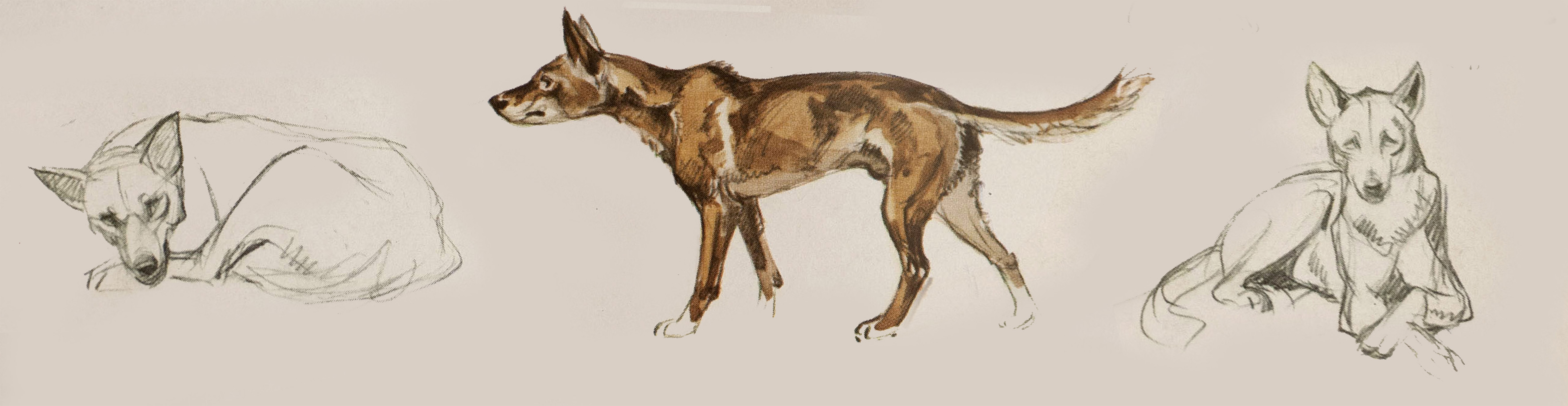
International Travels of the Australian Canis Dingo: Part I
- Date: June 13, 2017
- Description: The cultural history of the Australian dingo and the species’ connection to the National Zoo.
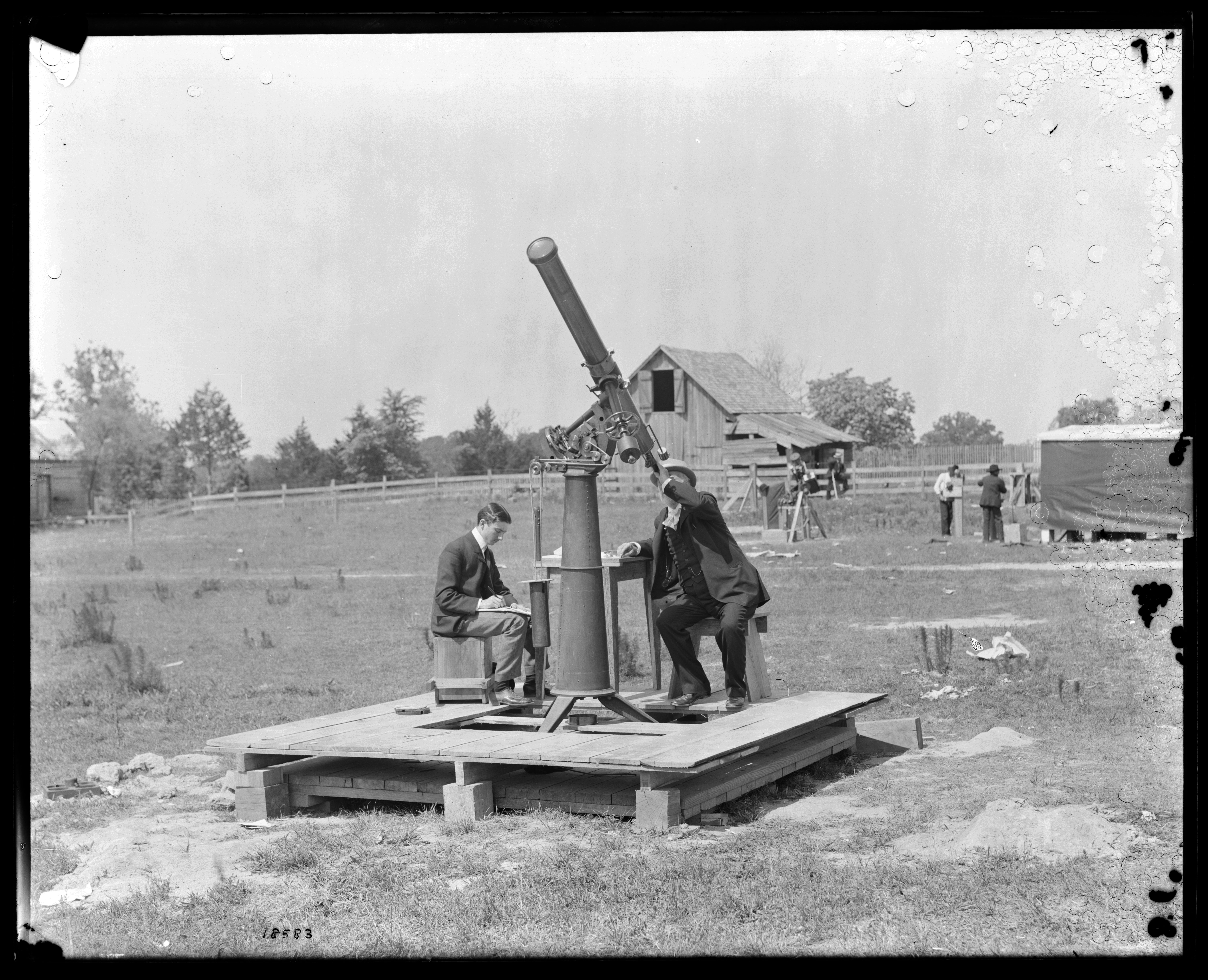
2017 Top Blog Posts
- Date: December 19, 2017
- Creator: Effie Kapsalis
- Description: It's interesting to look back and see what resonated with you, our readers, this past year. Clearly, we along with many of you were fascinated by the solar eclipse of 2017 that was viewable from many parts of the U.S. Three of the top 10 were about solar eclipses. You also were captivated by our efforts to bring more attention to women in science. Three of the posts have to do
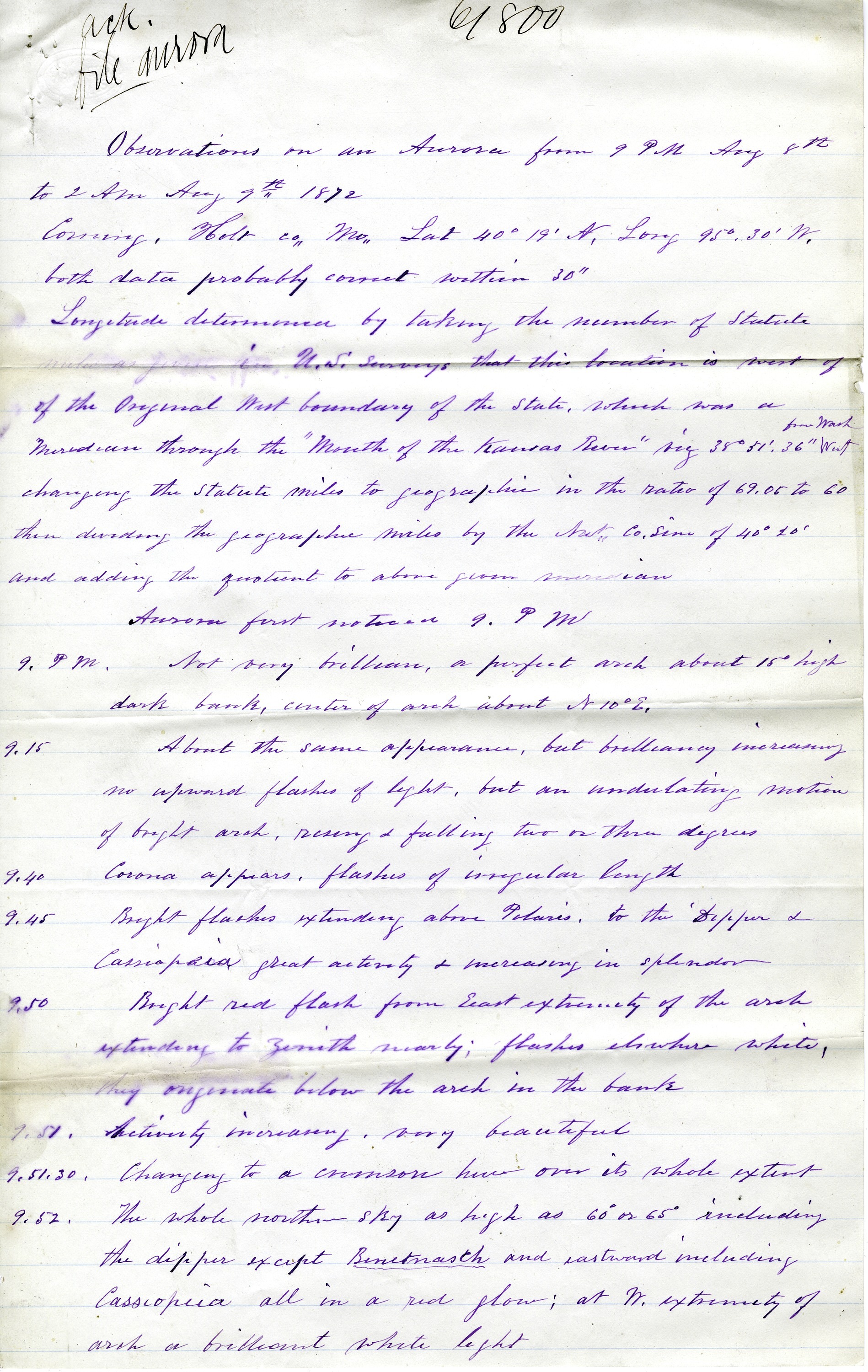
The Increase and Diffusion of Data
- Date: October 19, 2021
- Description: Research has been at the core of Smithsonian’s mission from the beginning, and sharing that research—through activities like publishing papers and data—is still key to fulfilling that mission for the “increase and diffusion of knowledge.”
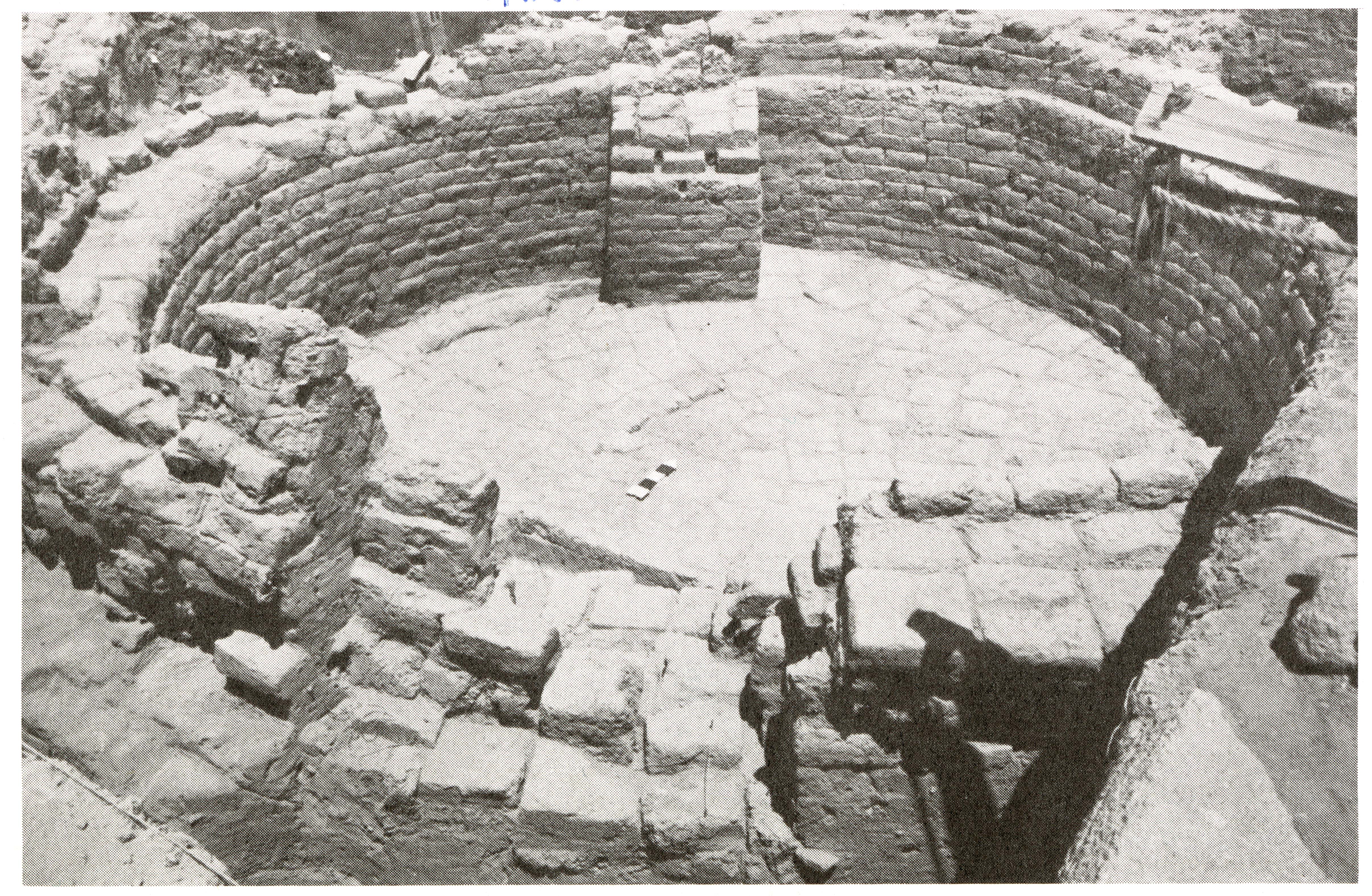
Miscellaneous Adventures: Exploring Lost Worlds
- Date: January 13, 2015
- Creator: Kira M. Sobers
- Description: This installment of Miscellaneous Adventures brings us to Record Unit 416 and the adventures in Smithsonian research across the world.

Secretary Adams: A Fascination with Fieldwork
- Date: September 13, 2018
- Creator: Lisa Fthenakis
- Description: Learn more about Secretary Robert Adams through his oral histories, which are newly available for research.

Reconstructing William Temple Hornaday’s 1888 Extermination Series
- Date: March 2, 2017
- Description: A look at taxidermist turned conservationist William Temple Hornaday's "Extermination Series" highlighting the environmental impact of man on North American mammals.
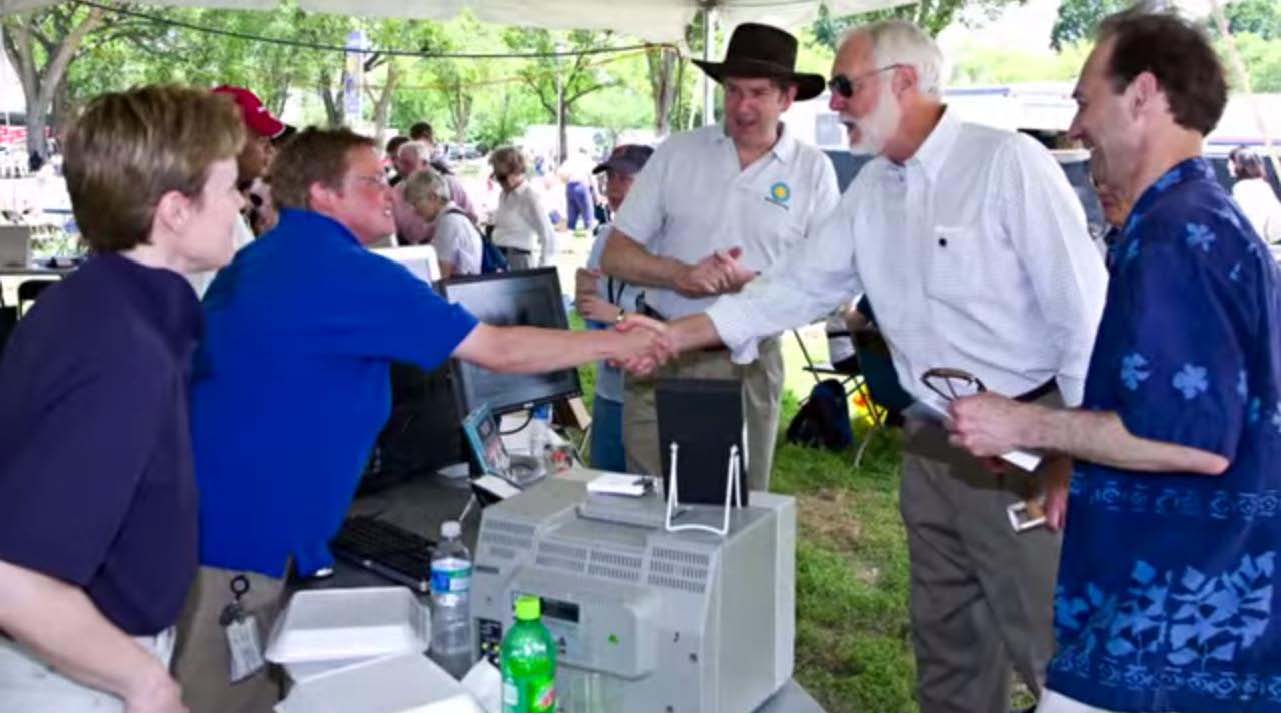
Engineering a Smithsonian for the 21st Century
- Date: December 18, 2014
- Creator: Pamela M. Henson
- Description: As the twelfth Smithsonian Secretary, G. Wayne Clough, retires, historian Pamela Henson looks back on his impact on the Smithsonian in 6 ½ short years – creating a positive dynamic, fostering environmental responsibility, and stimulating collaborations across the Institution.
- Blog Post
If a huge mass of garbage falls in the ocean and no one sees it, does it exist?
- Date: May 22, 2009
- Creator: Catherine Shteynberg
- Description: The first thing that I thought of when we started discussing our new call for entry, "seeing other worlds," was Google Earth. When Google Earth first came out in 2004, I remember the novelty of being able to zoom into my hometown to point out details to college friends, and having them pan across their own homes and favorite travel spots. We could travel across the globe
- Blog Post
Fame ... By Any Other Name
- Date: March 20, 2012
- Creator: Marcel Chotkowski LaFollette
- Description: How social media has changed the ways that scientists, particularly women, can achieve fame in their respective fields.

Sneak Peek 7/23/2018
- Date: July 23, 2018
- Creator: Marguerite Roby
- Description: Senior administrators stand next to their bicycles outside the Arts and Industries Building during an energy conservation campaign, 74-4912-01.

Link Love: 5/15/2015
- Date: May 15, 2015
- Creator: Mitch Toda
- Description: Link Love: a weekly blog feature with links to interesting videos and stories regarding archival issues, the Smithsonian, and history.