
Results for "Books"
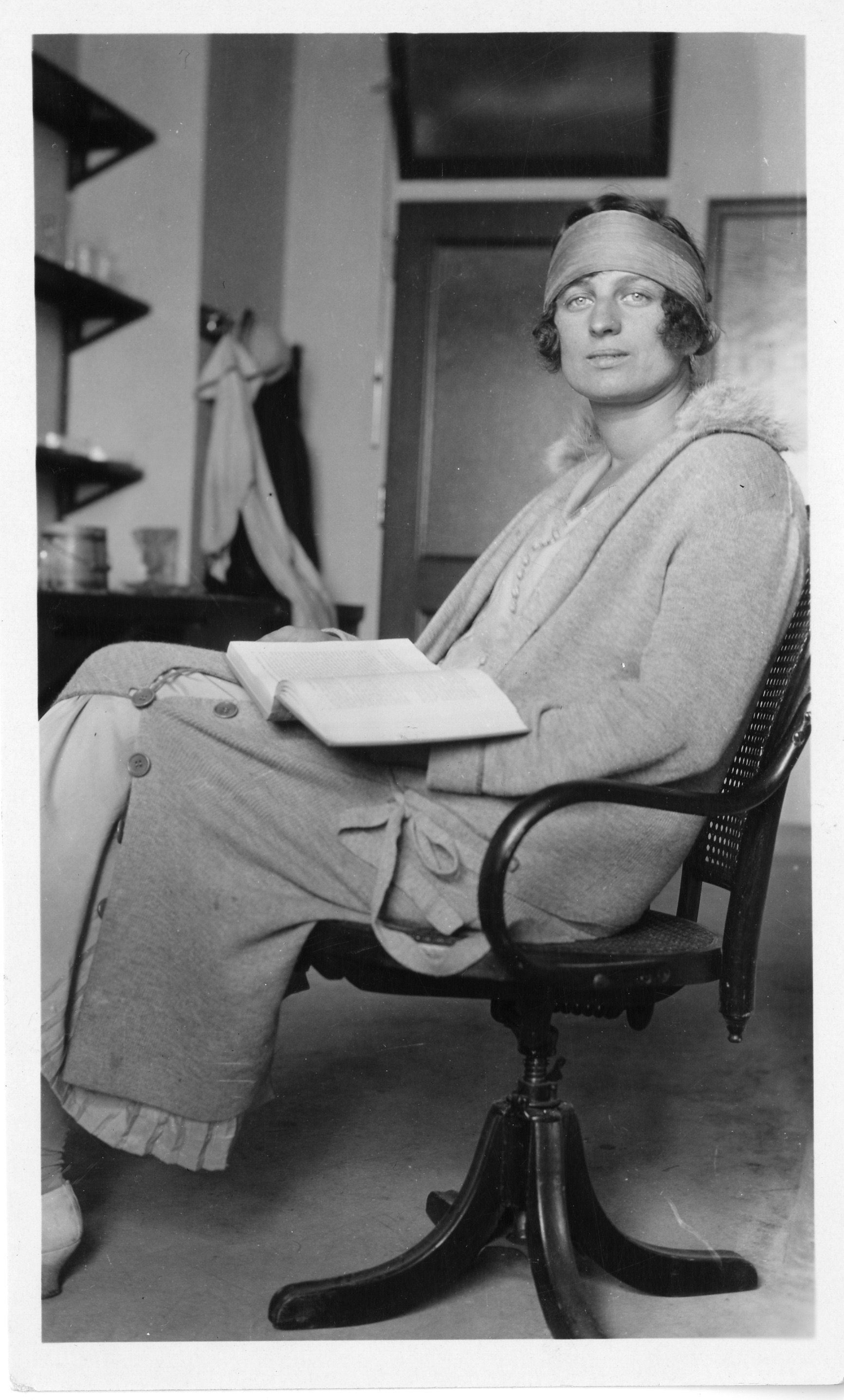
The Scientific Portraits of Julian Papin Scott, Part 2 of 2: Who and How, and Why It Matters
- Date: September 10, 2019
- Creator: Marcel Chotkowski LaFollette
- Description: The historical legacy of amatuer photographer Julian Papin Scott (1877-1961) is far greater than was acknowledged at the time, because of both who he photographed and how he set up the images.
- Blog Post
Tichkematse—A Great Favorite at the Smithsonian
- Date: November 25, 2021
- Description: A forerunner of today’s efforts to decolonize and Indigenize American museums, Tichkematse was one of the first Native American employees at the Smithsonian Institution. His work with natural history and anthropological collections continue to inspire Native and non-Native museum professionals nearly 150 years later.
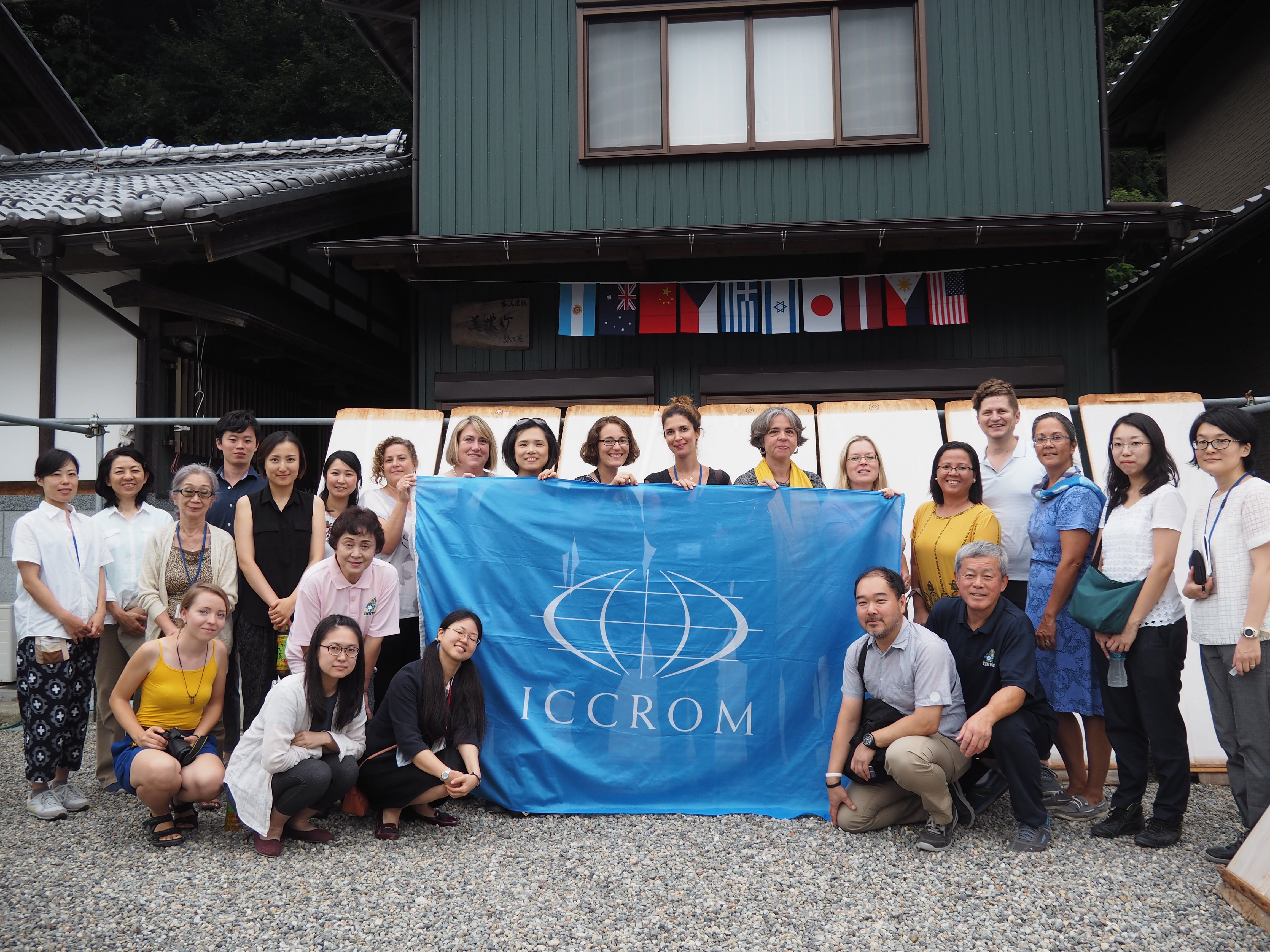
A Conservator Abroad: Paper Conservation in Japan
- Date: November 16, 2017
- Creator: William Bennett
- Description: Nearly two years ago, I first heard of a course on the conservation of Japanese paper co-organized by ICCROM, the cultural heritage arm of UNESCO, and the Tokyo National Research Institute for Cultural Properties (also known in Japanese as “Tobunken”). Over three weeks, the course offered a first-hand look at the traditional Japanese conservation techniques, materials, and

Sneak Peek 2/10/2020
- Date: February 10, 2020
- Creator: Marguerite Roby
- Description: N.G. Morrison in section of new steel bookstacks in library at east end of Great Hall in the Smithsonian Institution Building, or Castle, November 21, 1914, SIA RU000095, SIA_000095_B37A_F10_003.
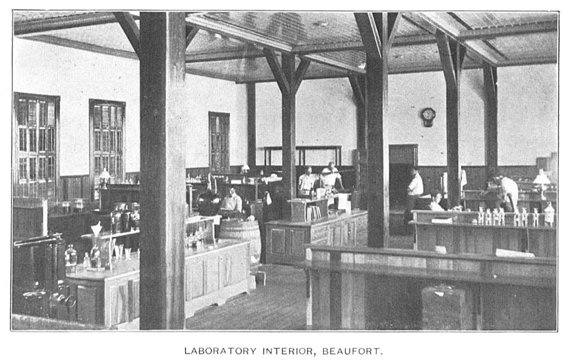
The Broad Mission of the Division of Inquiry
- Date: January 26, 2012
- Description: An examination of logbooks in the Smithsonian Institution Archives reveals the multiple ways that the Division of Inquiry in the United States Commission of Fish performed scientific work at marine laboratories in the early 20th century to fulfill their expansive mission statement.
- Blog Post
It’s a (sea) Bird!
- Date: August 16, 2013
- Creator: Effie Kapsalis
- Description: Enjoy a collection of images documenting pelagic birds from the Pacific Ocean Biological Survey Program.

Sketching with William Henry Holmes
- Date: December 8, 2016
- Creator: Hillary Brady
- Description: Celebrate the life and work of William Henry Holmes with coloring pages created from sketches in his field notes!
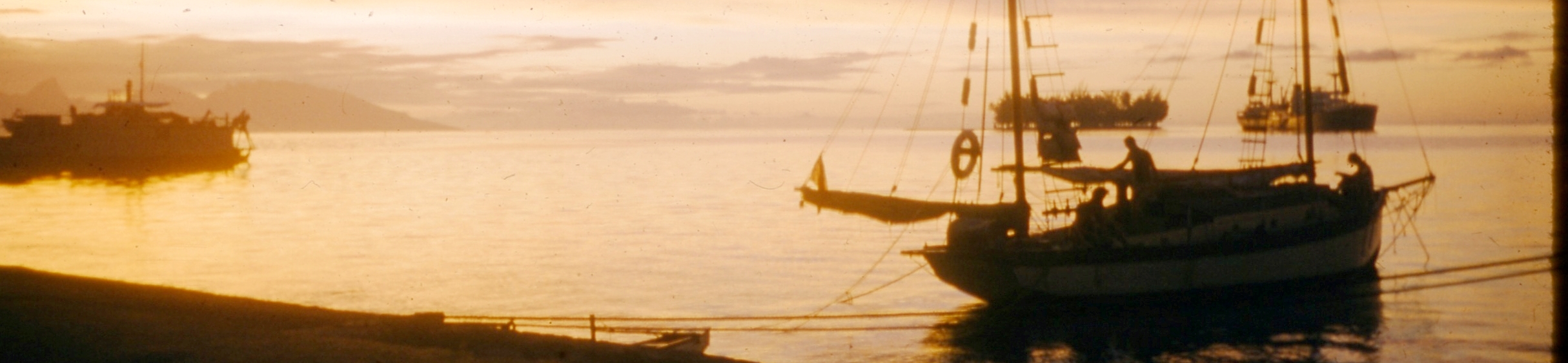
Thanks for the specimens, J. Bruce Bredin!
- Date: October 11, 2018
- Creator: Ricc Ferrante
- Description: This philanthropist’s passion for research and adventure inspired him to join a series of collecting expeditions with the Smithsonian in the 1950s.
- Blog Post
Exploring the National Parks
- Date: August 1, 2017
- Creator: Hillary Brady
- Description: August is National Parks Month, but the Smithsonian has celebrated the National Park Service for decades! Enjoy a selection of national parks images from the Archives' collection.
- Blog Post
Collection Highlights: New Additions to the Archives’ Website
- Date: January 18, 2018
- Creator: Tammy L. Peters
- Description: The Smithsonian Institution Archives continually strives to add more collections to its website. This is a periodic post highlighting new acquisitions and individual collection items.New Finding Aids Online: A group of collections documenting the field work of scientists who worked at the Smithsonian’s National Museum of Natural History, Department of Invertebrate Zoology:
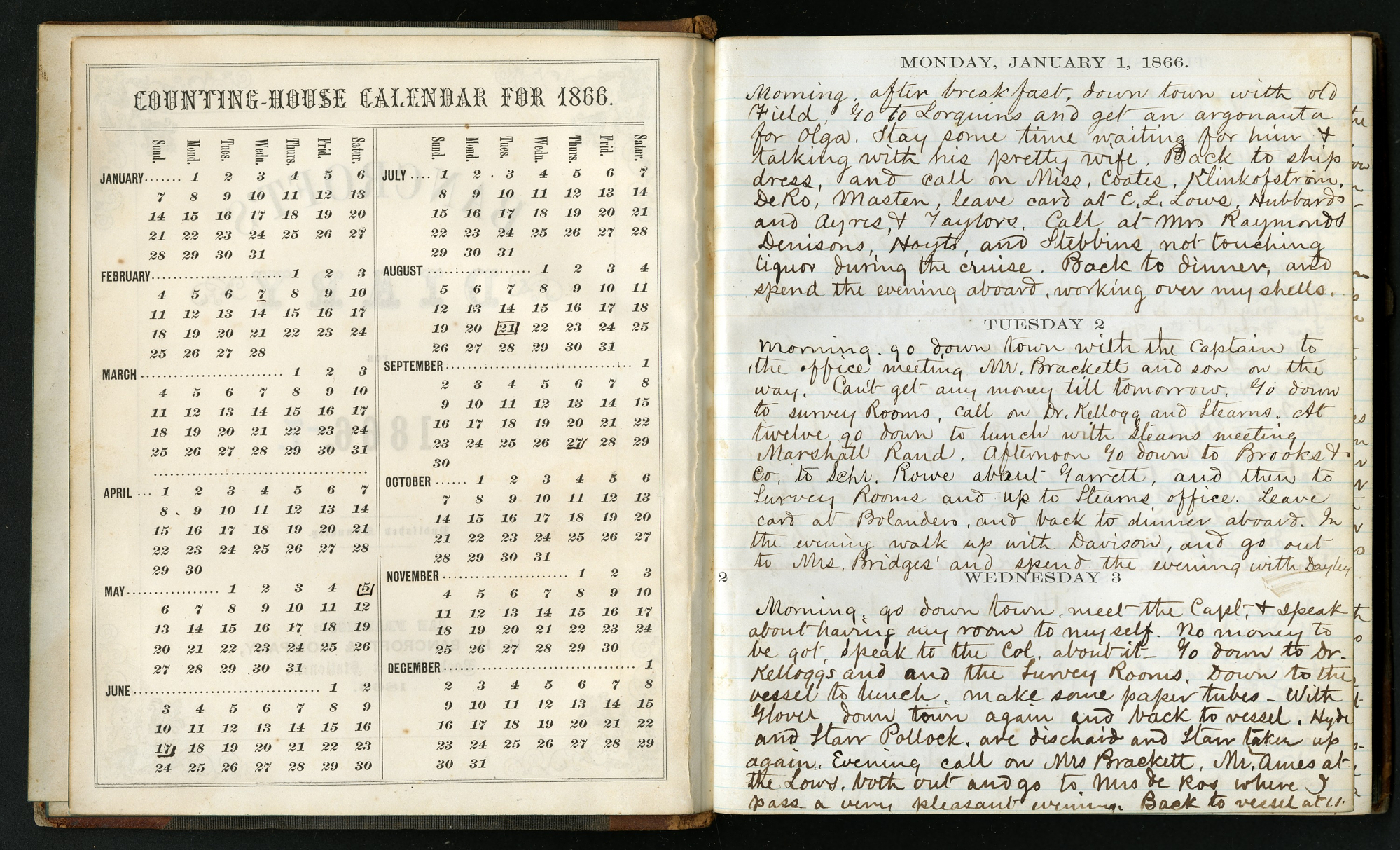
New Year, Same Field
- Date: January 31, 2019
- Creator: Kira M. Sobers
- Description: Explore the different ways that scientists celebrated New Year’s during field trips abroad.
- Blog Post
Discoveries Don’t Happen in an Armchair
- Date: November 27, 2018
- Creator: Ricc Ferrante
- Description: The 19th century was a transformative time for the natural sciences. New discoveries didn't just happen in an armchair. Scientists adventured into unfamiliar territory by land and sea on expeditions, and their new findings fed new theories. Groups like the Columbian Institute for the Promotion of Arts and Sciences and the National Academy of Sciences formalized America's place