
Results for "American Science and Engineering, Inc."
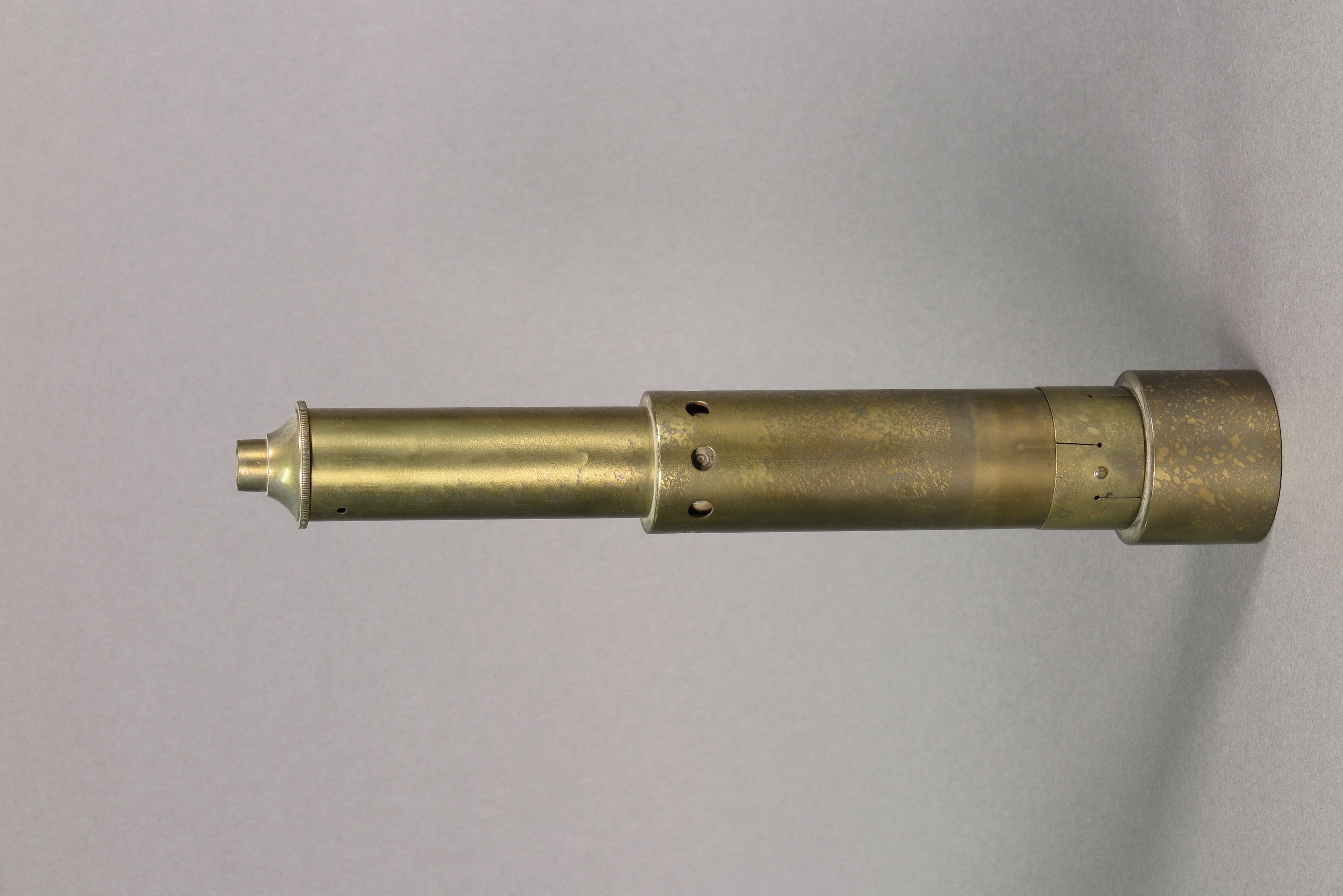
Joseph Henry Hypes Hypsometers
- Date: October 29, 2019
- Description: Although initially skeptical about the effectiveness of the hypsometer, Secretary Joseph Henry soon recognized the value of the instrument, which he discovered from his colleagues in the scientific field.

Samuel Pierpont Langley and the Personal Equation Problem
- Date: April 12, 2018
- Description: The term “personal equation” came into use in the 19th century as scientists found that observers have inherent biases: some anticipate events, and some report events after they have occurred. Recognition of the problem led to a spate of personal equation instruments: some measured biases of this sort, and some reduced the effect of personal errors. Most of these
- Blog Post
Link Love: 4/18/2014
- Date: April 18, 2014
- Creator: Mitch Toda
- Description: Link Love: a weekly blog feature with links to interesting videos and stories regarding archival issues, the Smithsonian, and history.

Science Service, Up Close: Patent Parades, Silk Purses, and Snake Bite Remedies
- Date: March 30, 2017
- Creator: Marcel Chotkowski LaFollette
- Description: Everyone loves a parade – especially one followed by a banquet. When scientists and politicians met in Washington, D.C., on November 23, 1936, to celebrate the centennial of the U.S. patent system, they listened first to a conventional program of speeches. Then, in the afternoon, Science Service director Watson Davis arranged something different: a “Research Parade” featuring
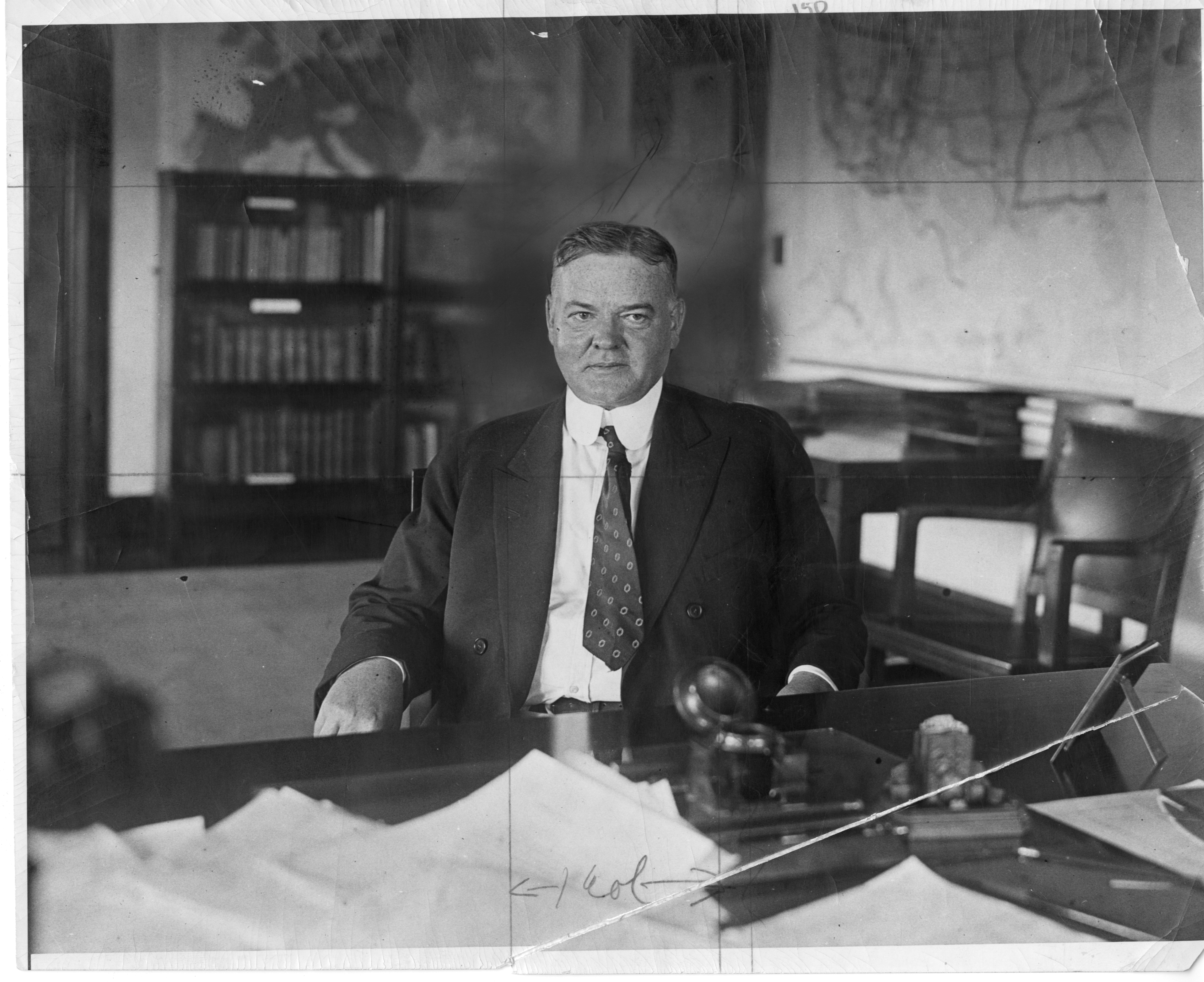
Science Service, Up Close: Herbert Clark Hoover and Radio, August 11, 1928
- Date: August 11, 2016
- Creator: Marcel Chotkowski LaFollette
- Description: Photos in the Science Service collection documenting Herbert Hoover's historic acceptance of the Presidential nomination with live radio coverage.

Science Service, Up Close: Radio Extends the Audience, Inauguration Day, 1925
- Date: January 19, 2017
- Creator: Marcel Chotkowski LaFollette
- Description: President Calvin Coolidge's second inauguration in 1925 reaches an audience of millions, thanks to a new technological innovation--the radio.

Museum Computer Network and the Smithsonian Institution: Support and Encouragement
- Date: April 18, 2017
- Description: In honor of the 50th anniversary of the Museum Computer Network, this second blog explores the early interactions of MCN with the Smithsonian.

Happy Tin-th Anniversary!
- Date: October 8, 2019
- Creator: Nora Lockshin
- Description: A retrospective photo trip down the Archives’ conservation lab memory lane, featuring folks from past and present.
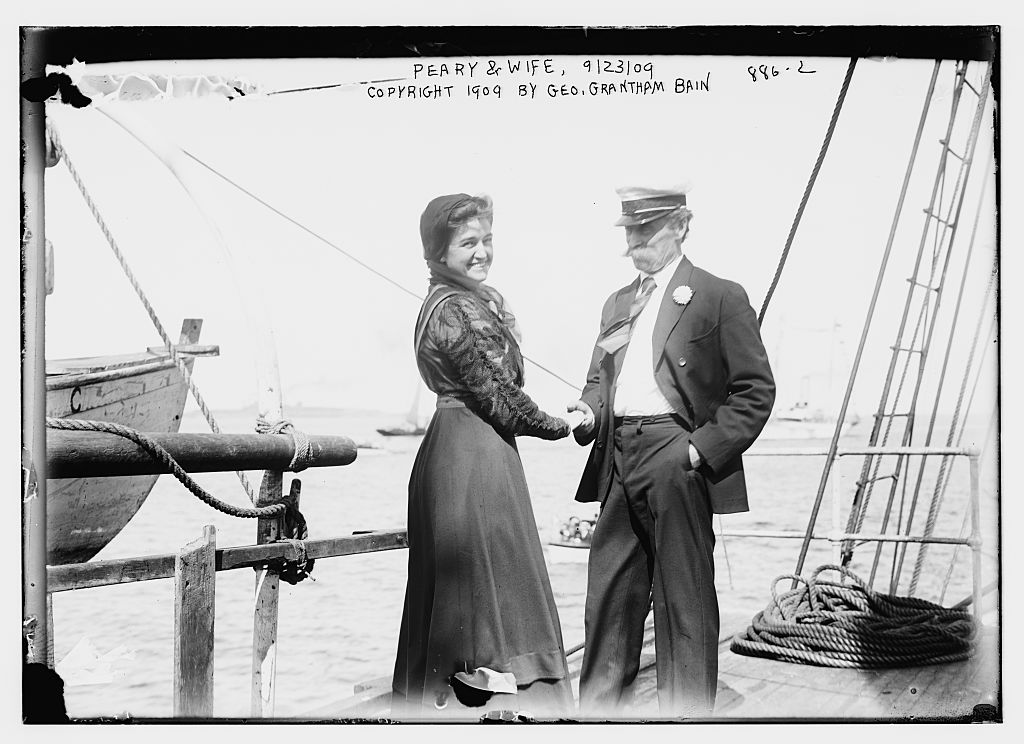
Spotlight: Herman Henry Diebitsch and Josephine Diebitsch Peary
- Date: June 24, 2021
- Creator: Marguerite Roby
- Description: We’re taking a closer look at Smithsonian clerk Herman Henry Diebitsch and his daughter, Arctic explorer Josephine Diebitsch Peary.

Field Work and a World War
- Date: July 12, 2012
- Description: An examination of some of the field books of Bohumil Shimek, who documented the effects of WWI while doing research in Europe.
- Blog Post
A Well Engineered Photograph
- Date: November 20, 2009
- Description: [caption id="" align="aligncenter" width="384" caption="Construction of the Pension Building, Designed by Montgomery Meigs, c. 1883, by Unknown photographer, Albumen print, National Museum of American History, Kenneth E. Behring Center, Image ID: AFS 182."][/caption] One of the first collections that I encountered during my travels through the photography collections of the

Link Love: 6/9/2017
- Date: June 9, 2017
- Creator: Effie Kapsalis
- Description: Ouch — the Society of Women Engineers has a collection of rejection letters sent to women attempting to gain entry to engineering programs. [via Atlantic]A new discovery of 300,000 year old remains of Homo sapiens shows that our species evolved in multiple locations on the African continent. [via NY Times]iNaturalist.org is launching an app that will help you identify plants