
Results for "American Academy of Arts and Sciences"
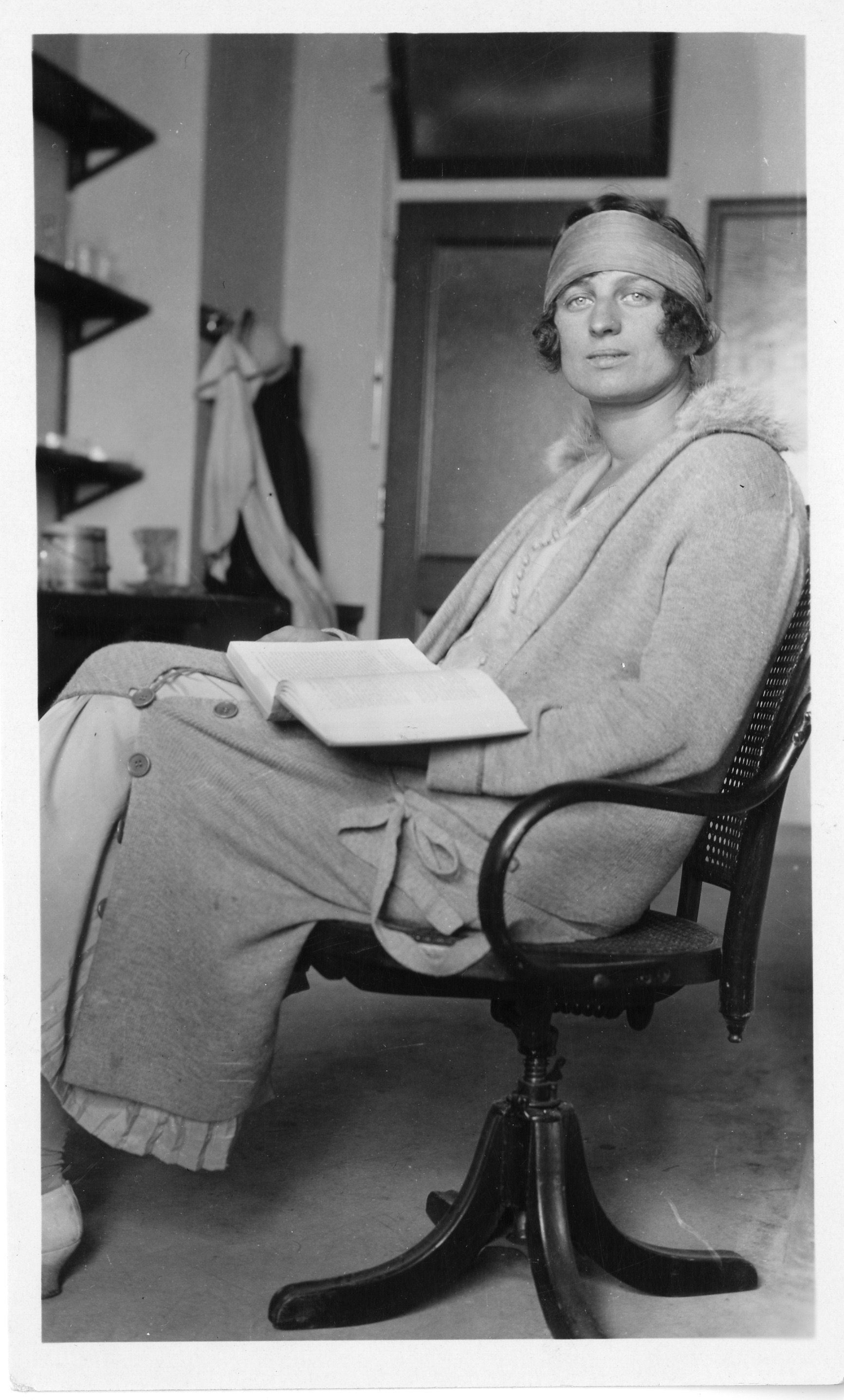
The Scientific Portraits of Julian Papin Scott, Part 2 of 2: Who and How, and Why It Matters
- Date: September 10, 2019
- Creator: Marcel Chotkowski LaFollette
- Description: The historical legacy of amatuer photographer Julian Papin Scott (1877-1961) is far greater than was acknowledged at the time, because of both who he photographed and how he set up the images.
Science Service: Up Close
- Date: May 19, 2015
- Creator: Marcel Chotkowski LaFollette
- Description: Each Smithsonian Institution Archives collection has a life story. That narrative, much like the biography of a person, can explain how a collection's photographs, letters, and documents relate to each other. Closer inspection may also reveal hidden connections to other archival materials and can help in identifying photographers and writers. This new blog series will turn a

Science Service, Up Close: Women in Geology and Paleontology
- Date: March 14, 2019
- Creator: Marcel Chotkowski LaFollette
- Description: To celebrate Women’s History Month, here are two examples of 20th-century women who applied their education and expertise in geology and paleontology outside traditional university career paths.
- Blog Post
The Inhabitants of "Defense Mansion"
- Date: July 14, 2011
- Creator: Marcel Chotkowski LaFollette
- Description: This post is the second in a series this month that honors the anniversary of the famous Scopes Trial, held in Tennessee from July 10–21, 1925, and highlights a set of rare and newly digitized photographs, from the Smithsonian Institution Archives, of witnesses at the trial collections, which have been added to the Smithsonian Flickr Commons. In tone, composition, and setting,
- Blog Post
Science Service, Up Close: Charles Bittinger and the Worlds of Science and Art
- Date: December 6, 2016
- Creator: Marcel Chotkowski LaFollette
- Description: The work of painter Charles Bittinger, bridging the worlds of science and art.
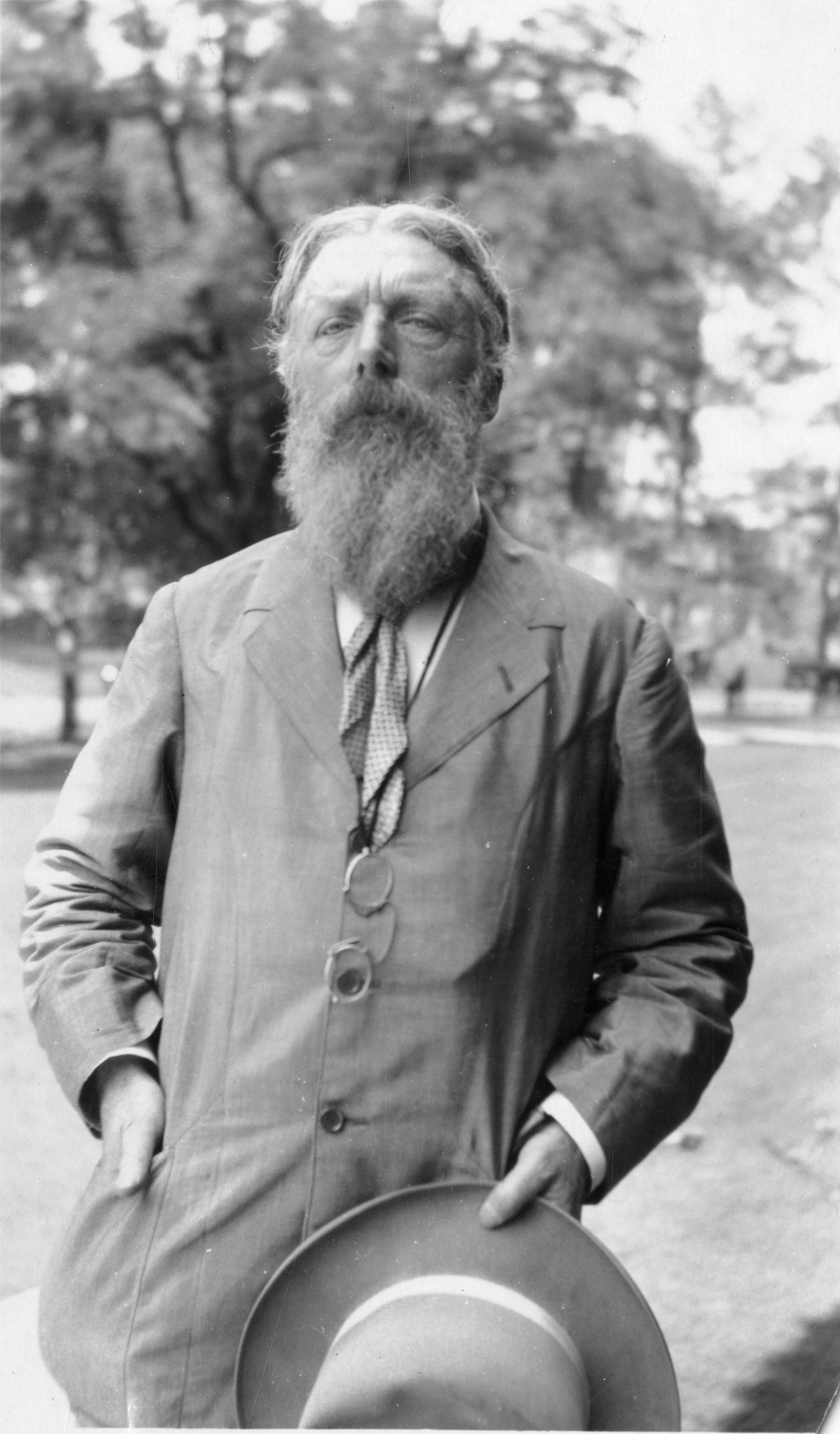
Science Service, Up Close: A Meeting Of Minds
- Date: April 7, 2016
- Creator: Marcel Chotkowski LaFollette
- Description: A rare meeting of the scientific minds at the 92nd Annual British Association Conference in 1924, captured by Science Service journalist Watson Davis.

Science Service, Up Close: The Periodic Chart
- Date: January 3, 2017
- Creator: Marcel Chotkowski LaFollette
- Description: Henry David Hubbard (1870-1943), a physicist at the U.S. National Bureau of Standards, designed the first edition of the "Periodic Chart of the Atoms" in 1924. The chart is still in use today, continually updated to reflect new elements.

Science Service, Up Close: Technology and Political Conventions
- Date: July 19, 2016
- Creator: Marcel Chotkowski LaFollette
- Description: In a Presidential election year, political news coverage can sometimes seem almost too instantaneous and continuous. Thanks to smartphones with cameras and microphones, journalists and citizens can relay images and sound from almost anywhere inside campaign activities. There was a time, however, when live broadcasting from political conventions and rallies was novel.Starting
- Blog Post
Science Service, Up Close: Stuff Matters
- Date: September 3, 2015
- Creator: Marcel Chotkowski LaFollette
- Description: Science Service photographs, while having good identifying information, can still be helped by the cybercommunity to fill in some of the mission information.

Science Service, Up Close: George Sarton, Watson Davis, and “Panache”
- Date: June 23, 2016
- Creator: Marcel Chotkowski LaFollette
- Description: For historians of science, the name “Sarton” resonates like a deep-throated bell. Isis, the international journal that chemist and mathematician George Sarton (1884-1956) founded in Belgium in 1913, is now the premier publication of the History of Science Society. The field he envisioned is flourishing as well as continually responding to changes in science and its social
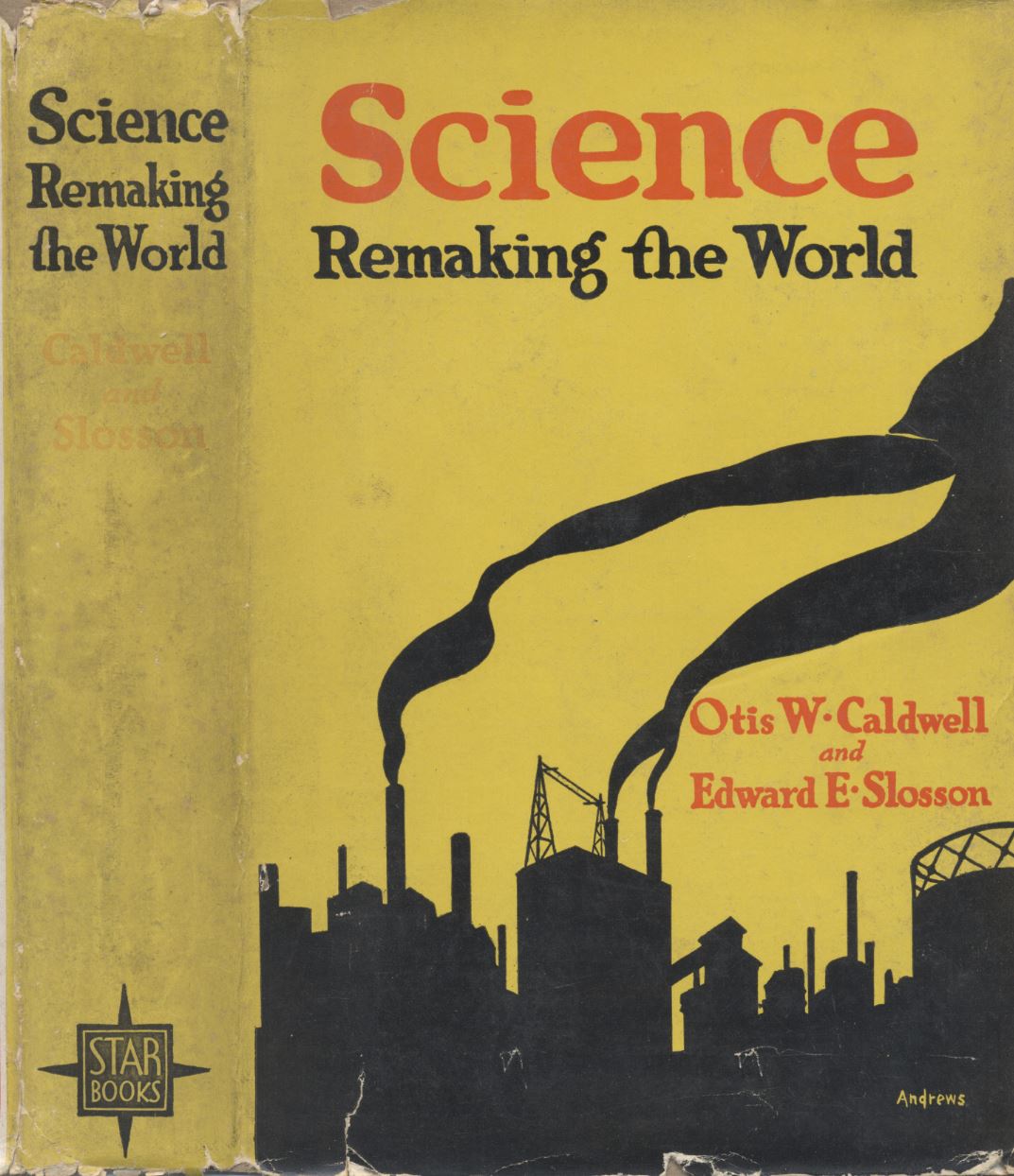
Science Service, Up Close: Books, Readers, and Recommendations
- Date: December 3, 2015
- Creator: Marcel Chotkowski LaFollette
- Description: Need a new book to read? Look no further than these recommendations from Smithsonian Science Service staff writers during the 1920s and 1930s.
- Blog Post
Science Service, Up Close: Summer Road Trips for Science, 1935
- Date: July 24, 2018
- Creator: Marcel Chotkowski LaFollette
- Description: In 1935, Beloit College in Wisconsin began allowing female students to join the annual summer archeological expeditions.