
Results for "Amateur-Built Aircraft (Exhibition) (2008: Washington, D.C.)"
- Blog Post
Beating Hearts
- Date: August 11, 2010
- Creator: Marvin Heiferman
- Description: Artists are often among the researchers who comb through archives in search of inspiration and content. A few years back in 2008, an encyclopedic exhibition, Archive Fever, presented at the International Center of Photography in New York, presented works by leading contemporary artists who have made active use of archival images, documents, and methodology to explore the ways

Bringing out the Animal in Art
- Date: December 22, 2015
- Creator: Hillary Brady
- Description: On National Visit the Zoo Day, a look at a unique exhibition at the National Zoological Park, the National Museum of Natural History, and the Hirshhorn Museum and Sculpture Garden: “Animal In Art,” an exhibit and series of “sketch-ins,” part of an international campaign for the World Wildlife Fund.

Link Love: 03/12/2021
- Date: March 12, 2021
- Creator: Deborah Shapiro
- Description: Link Love: a weekly post with links to interesting videos and stories about archival issues, technology and culture, and Washington D.C. and American history.

Volunteer Spotlight: Joan Gilder
- Date: April 24, 2018
- Creator: Alison Reppert Gerber
- Description: Joan Gilder has been a volunteer with the Smithsonian Institution Archives' Preservation Team for two decades, and has worked to treat many of our collections in order to increase their lifespan and improve access. She has been an invaluable asset to the Archives since she first began, and we are thrilled to share a little more about her story.What did you do before you began

Link Love: 3/1/2019
- Date: March 1, 2019
- Creator: Deborah Shapiro
- Description: Link Love: a weekly post with links to interesting videos and stories about archival issues, technology and culture, and Washington D.C. and American history.

The Little Aquarium That Could
- Date: June 23, 2022
- Creator: Marguerite Roby
- Description: It's National Zoo and Aquarium Month! Let's explore the early days of the National Aquarium and its commitment to the promotion of marine science and aquaculture.

Exhibiting the Enola Gay
- Date: June 25, 2020
- Creator: Jennifer Wright
- Description: At the 50th anniversary of the atomic bomb, controversy surrounded the context in which the Enola Gay was to be displayed.

Link Love: 06/11/2021
- Date: June 11, 2021
- Creator: Deborah Shapiro
- Description: Link Love: a biweekly post with links to interesting videos and stories about archival issues, technology and culture, and Washington D.C. and American history.
- Blog Post
Science Service, Up Close: Telephone Books, Wax Turkeys, and Talking Chickens
- Date: March 8, 2016
- Creator: Marcel Chotkowski LaFollette
- Description: In the U.S. Department of Agriculture (USDA) Office of Exhibits, Margaret Jane Russell Roller (1888-1973) had begun to specialize in fabricating lifelike wax models of food and animals.

Camera Craze Comes to the Smithsonian
- Date: April 26, 2018
- Creator: Lisa Fthenakis
- Description: It would be hard to imagine stepping into a Smithsonian museum today and not seeing a single camera. Digital cameras and smart phones with cameras are so completely a part of today’s museum-going experience that - unless a flash goes off in your face – you probably wouldn’t notice the camera next to you. However, in 1938, you would have seen a very different sight. On August
- Blog Post
Science Service, Up Close: Up in the Air for a Solar Eclipse
- Date: January 24, 2017
- Creator: Marcel Chotkowski LaFollette
- Description: On January 24, 1925, for the first time in over a century, a total solar eclipse would be visible across the northern part of the United States. How scientists used a dirigible to observe the phenomenon.
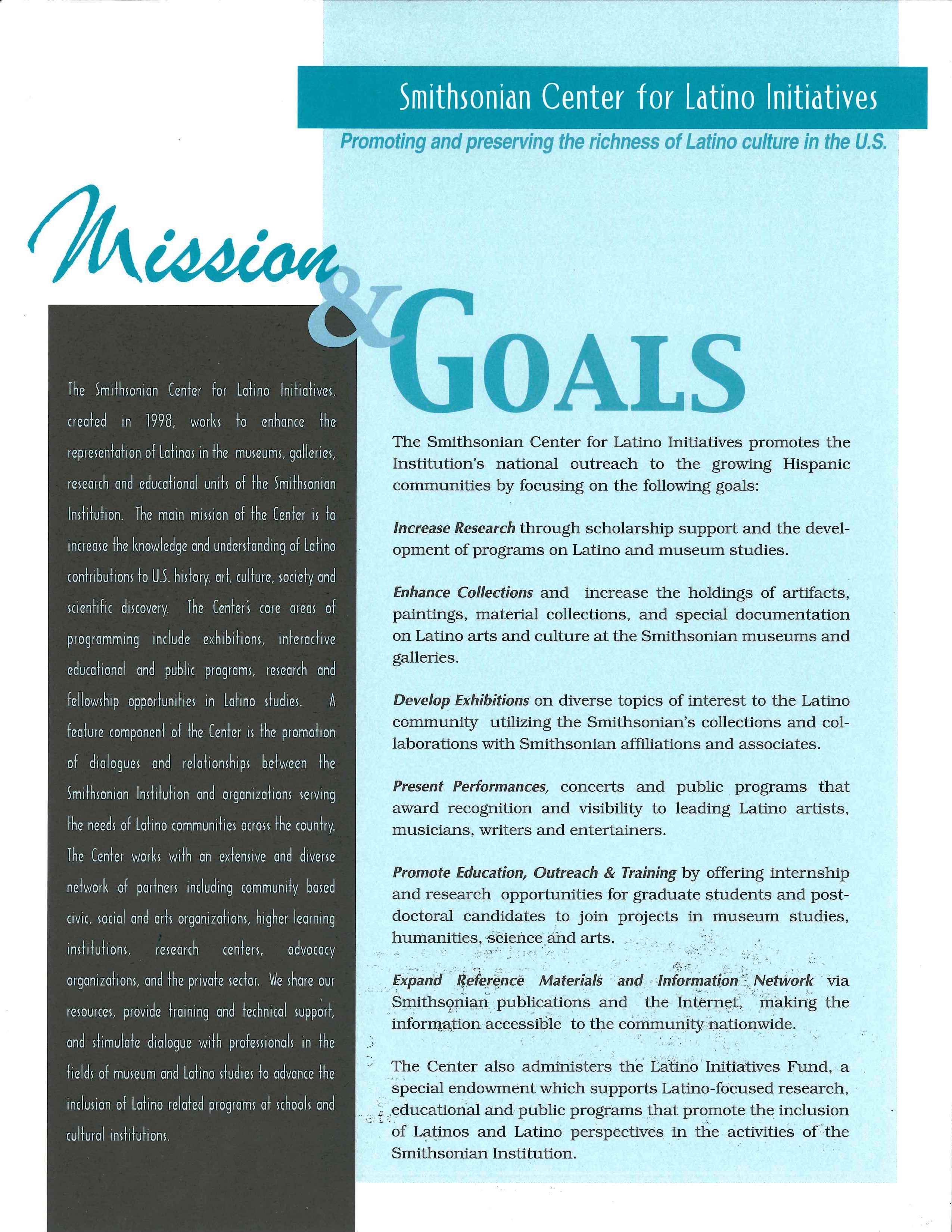
Happy Anniversary to the Smithsonian Latino Center!
- Date: May 4, 2017
- Creator: Mitch Toda
- Description: A look back at the history of the Smithsonian Latino Center on their 20th anniversary.