
Results for "African Cosmos: Stellar Arts (Online exhibition)"

Exhibiting the Smithsonian Institution Archives: A Look Back
- Date: May 15, 2018
- Creator: Pamela M. Henson
- Description: [edan-image:id=siris_sic_13754,size=400,center]When people think of a Smithsonian exhibit, they probably don’t think of one filled with documents from an archives! A piece of paper doesn’t grab your attention from across the room, as the Fénykövi elephant or Chuck Berry’s car do. But on closer inspection, handwritten scraps have fascinating stories to tell. They can be
- Blog Post
A New Look at the Smithsonian: Louise Hutchinson
- Date: September 29, 2015
- Creator: Pamela M. Henson
- Description: Louise Hutchinson taught us about African American history in Washington, D.C., and in the Smithsonian itself.
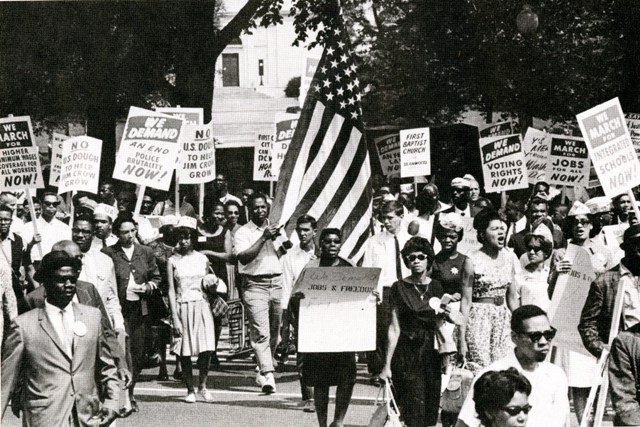
Remembering Martin Luther King, Jr.
- Date: August 31, 2011
- Creator: Pamela M. Henson
- Description: Access the official records of the Smithsonian Institution and learn about its history, key events, people, and research.
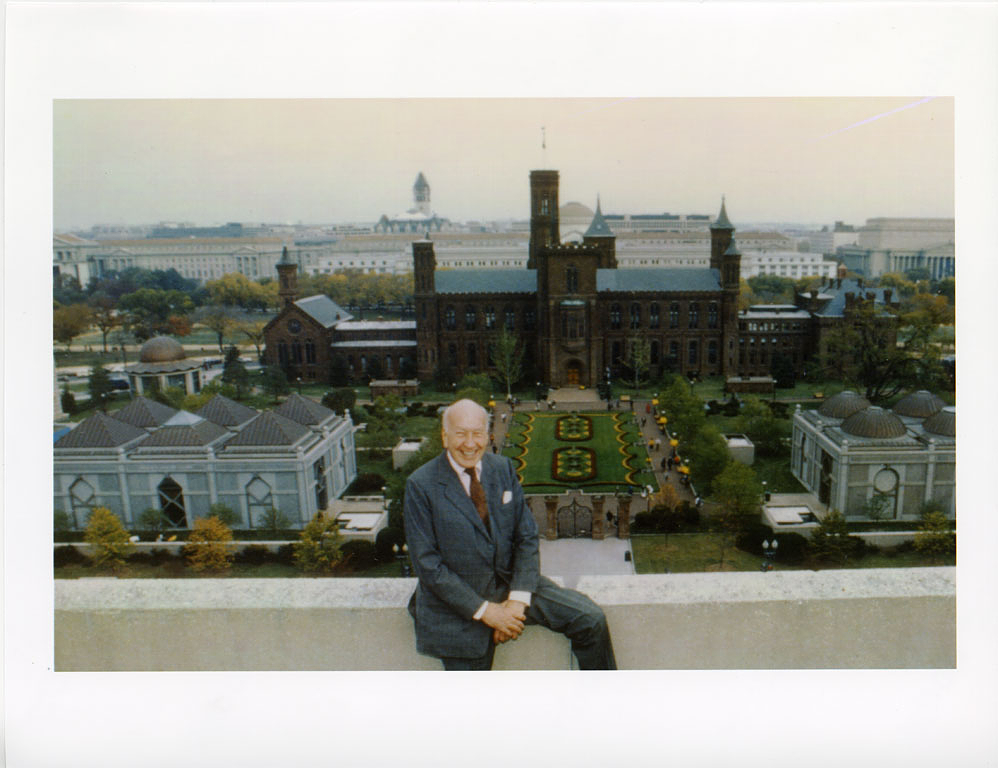
The Smithsonian Secretaries: That Tall Man from New York, Part II
- Date: April 28, 2016
- Creator: Pamela M. Henson
- Description: The 1846 legislation that established the Smithsonian Institution provided for a Secretary, appointed by the Board of Regents, who would run the day-to-day affairs of the Institution. When David Skorton became Secretary last year, he was the thirteenth person to take on that responsibility. In our last blog, we discussed the first six and now we’ll look at seven through
- Blog Post
American History in an Earthenware Teacup
- Date: January 14, 2016
- Creator: Pamela M. Henson
- Description: C. Malcolm Watkins (1911-2001), curator of cultural history at the National Museum of American History, was a pioneer of material culture studies and historic archeology.

The Smithsonian Goes Telephonic in 1878!
- Date: June 28, 2018
- Creator: Pamela M. Henson
- Description: [edan-image:id=siris_sic_9592,size=200,left]Did you know the Smithsonian was an early adopter of the telephone? In June of 1878, a system of electronic bells and telephones was installed throughout the Smithsonian Castle. The system connected several workrooms and offices to provide instant communications within the building. At that time, there were only 187 telephone lines

Happy 100th Birthday, S. Dillon Ripley
- Date: September 20, 2013
- Creator: Pamela M. Henson
- Description: Celebrate the life of the eighth Smithsonian Secretary S. Dillon Ripley, who was born on September 20, 1913, 100 years ago today!
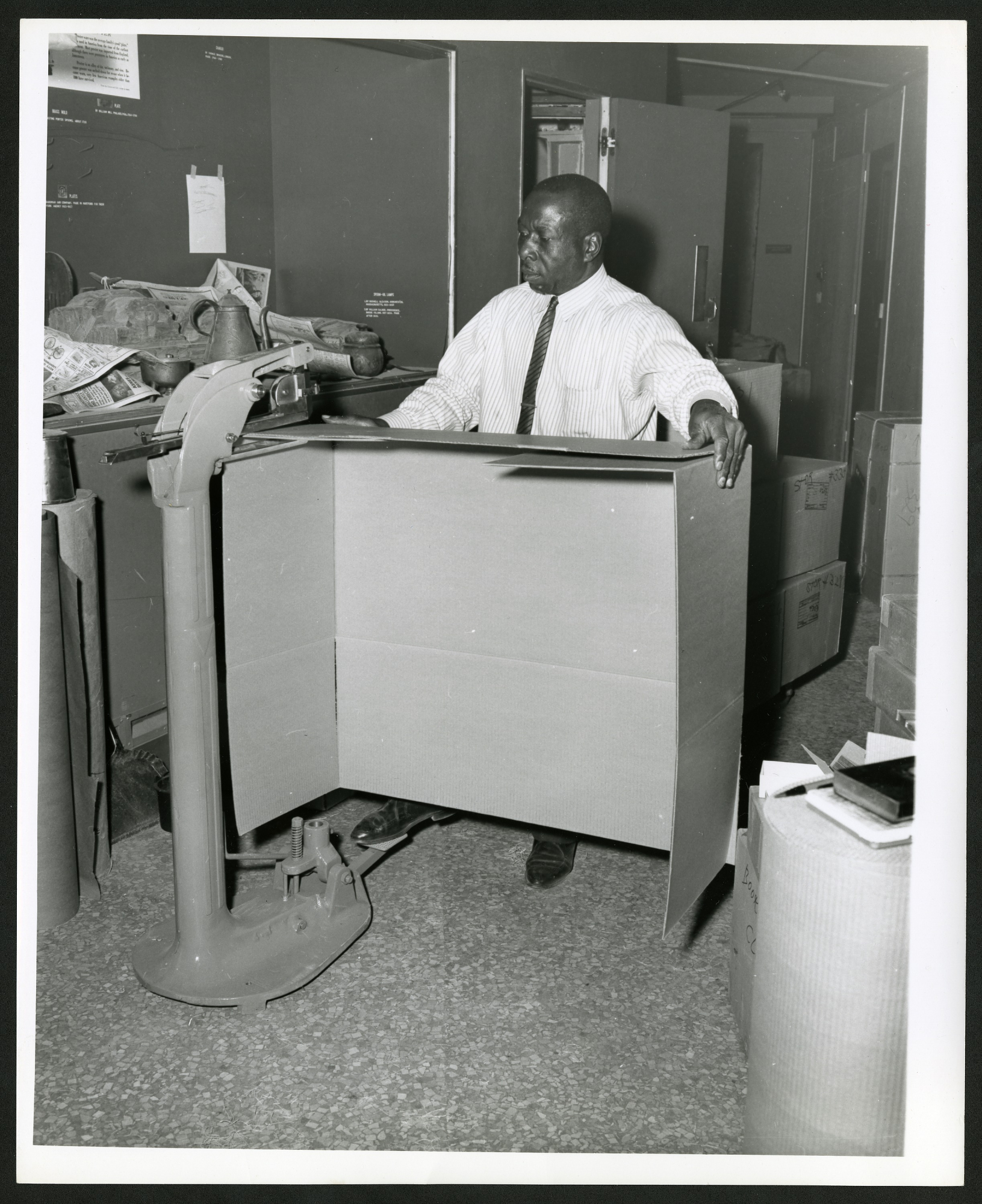
The Long Journey to Scientific Aide: Barry Hampton’s Career
- Date: February 16, 2017
- Creator: Pamela M. Henson
- Description: Barry Hampton played an important role in Division of Reptiles and Amphibians in the Natural History Museum for decades, but recognition was slow to come.
- Blog Post
Celebrating World Cultures—and Our Own
- Date: July 1, 2010
- Creator: Pamela M. Henson
- Description: [caption id="" align="aligncenter" width="430" caption="Smithsonian Secretary S. Dillon Ripley (1913-2001) riding a scooter at the 1974 Folklife Festival in the Mississippi delta section, with a cotton field behind him, by Unidentified photographer, Photographic print, Smithsonian Institution Archives, Record Unit 613, Box 269, Folder: SDR Photos, Negative number: